Making the most of routines
From the Peep Learning Together Programme – supporting parents and children to learn together through play and everyday life
There are some things that are done every day when caring for babies or young children. These might include nappy changing, getting dressed, bath time, bedtime, meal time, getting ready to go out, the school run, etc. When they are done in a regular and predictable sequence they become a routine.
Babies and young children are quick to learn, and they’ll soon become familiar with their routines and begin to recognise what will happen next. They find this reassuring and it helps to give them a sense of safety, comfort and security.
When routines become familiar and enjoyable, babies and young children feel safe and secure
What makes a ‘routine’?
Routines often develop naturally from the everyday things you do to care for your baby or child that have a sequence repeated in the same order. For example, you might do the same things to get your child ready for bed every night, such as:
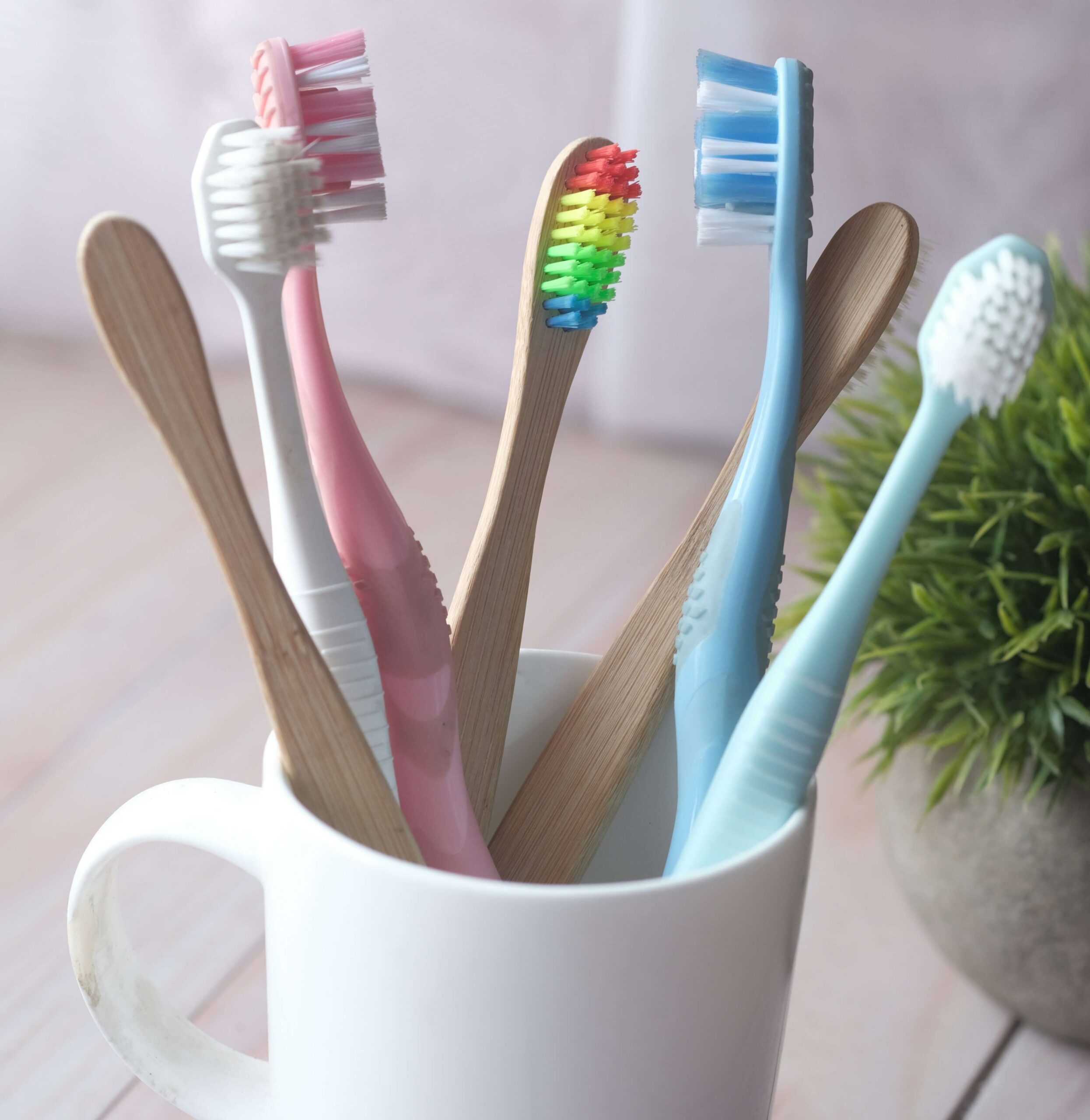
bath time → pyjamas → clean teeth → story time → kiss and bed!
There are no set rules for routines! Different things work for different families. It depends on your preferences and what works best for your family.
Routines don’t always stay the same. As your baby or child grows and changes, their routines will change with them. This is often more noticeable with babies. Having a few familiar routines when things are changing, such as sharing a book before bedtime, can be helpful for your child as well as you.
Feeling safe and secure
When routines become familiar and enjoyable, babies and young children feel safer and more secure
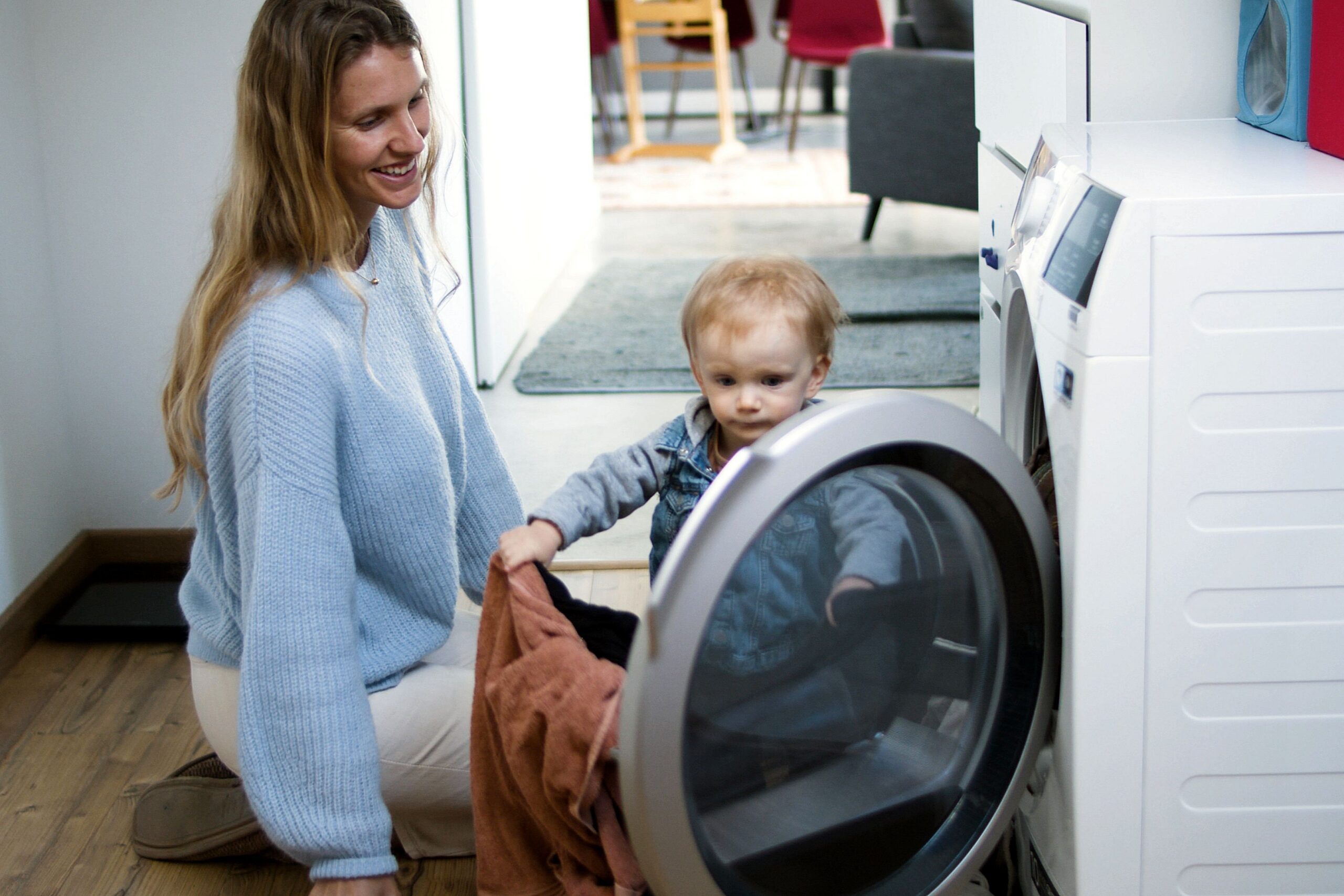
The order of things can be important for babies and young children. They like the idea of things happening in a recognisable and familiar order because knowing what comes next is reassuring for them and helps them to feel comfortable, safe and secure.
The comfort and security of familiar routines can be particularly helpful for babies and young children when there are other changes in their lives, such as:
- moving house
- starting nursery, pre-school or big school
- moving from a cot to a bed
- changes in family circumstances, e.g. a new baby
They can also be useful when someone else is going to look after your baby or child – it’s helpful for adults to know what is expected of them too!
Establishing routines
Sometimes everyday routines can be challenging, such as a toddler hating their nappy being changed, or difficulties at bath time or bedtime etc. Chatting with other parents or carers can sometimes provide ideas for adapting routines that aren’t going as well as you would like them to.
If you have concerns about your baby’s or child’s routines it can help to chat with a health professional for advice.
Different routines work for different families – chatting with other parents can help provide new ideas
Making the most of everyday routines
Everyday routines provide opportunities to help babies and children learn and develop – and for you to have fun together!
Chatting with your baby or child about their routines will help them to become familiar with what will happen next:
- babies will love hearing the sound of your voice
- toddlers will begin to understand the language you are using
- …and older children will enjoy telling you what to do next!
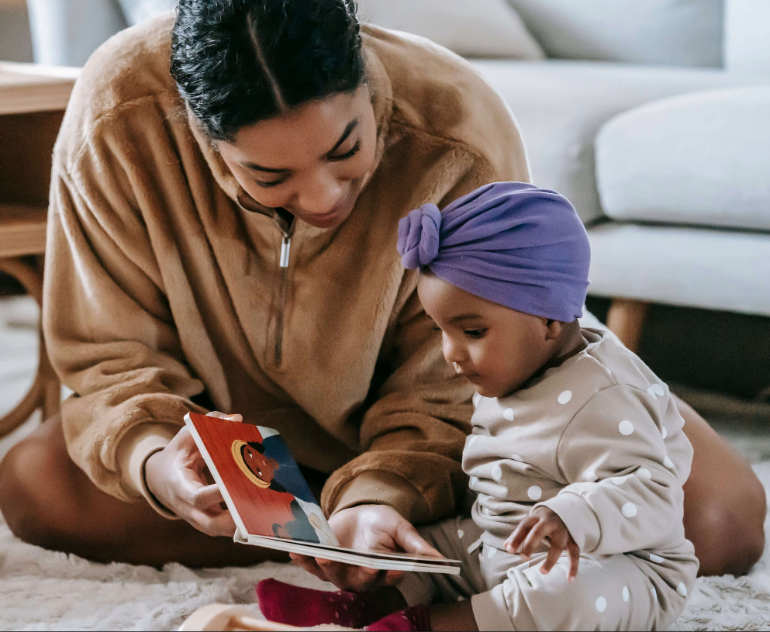
Songs, rhymes and stories can be a useful and enjoyable part of routines. They can help change a task like nappy changing from a battleground, to an opportunity for strengthening the bond with your baby, while learning and having fun!
Here are some ideas to try
Lullabies and quiet songs:
A gentle rocking rhythm can be useful for soothing restless babies and helping babies and young children drift off to sleep.
Singing:
Try entertaining your baby or child while they’re having their nappy changed, getting dressed or during bath time.
Stories:
Telling a story can often be useful when you are waiting for a bus, in a queue, or to calm your child down at the end of a busy day. Try recording yourself telling your child’s favourite story for them to listen to – perhaps when you are getting dinner ready.
Songs and rhymes:
These can be used for different things, for example you might have a ‘tidy-up time’ song to sing when putting toys away, or you could make up a rhyme to chant when it’s bath time. Here’s a bath time rhyme that we’ve made up:
Songs, rhymes and stories help to make every day routines more fun!
It’s nearly time for bath time
– don’t fill it to the top!
And don’t forget the bubbles…
pop, pop, pop!
Peep programmes and resources
The information on this page is from our Peep Learning Together Programme. In Peep sessions, families share song and storytime, play activities and conversations focusing on supporting babies’ and children’s development through play and everyday life.
Peep builds on the things you’re already doing with your child, making the most of everyday moments to learn together, have fun and strengthen relationships.
If you’re a parent or carer:
If you work with families:
This resource is one of a selection from the Peep Learning Together Programme shared in support of the Learners from Birth initiative.
Ages and stages: We recognise that children are all different, and developmental needs and interests don’t always align with a child’s age. Any ages mentioned are a general guide – the resources are for using flexibly to meet individual children’s needs and interests.