
Evidence & Impact
Research studies
Peep programmes have been evaluated in a number of independent research studies by the Universities of Oxford, Queen’s Belfast and Warwick. These show that Peep:
- helps children develop strong foundations for language, literacy, and self-esteem – improving outcomes for all, but with the greatest impact for the most disadvantaged,
- successfully reaches families and engages them in their children’s learning,
- helps parents become more aware of their children’s development and how to foster it,
- contributes to parents’ and children’s confidence in themselves as learners, and to parents’ employability,
- enables practitioners from a wide range of professions to develop new skills and fresh approaches to share ideas and unlock parents’ potential.
Case studies
Peep sessions are designed to be delivered flexibly by Peep-trained practitioners, to meet local needs. Our case studies illustrate some of this variety: Peep in Stay and Plays or groups, universal or targeted, single or multi-age/stage, indoors or outdoors…
Peep delivery happens in family hubs and centres, schools, nurseries, colleges, health centres, families’ homes, libraries, swimming pools, care homes for older people, faith settings, prisons – wherever families are!
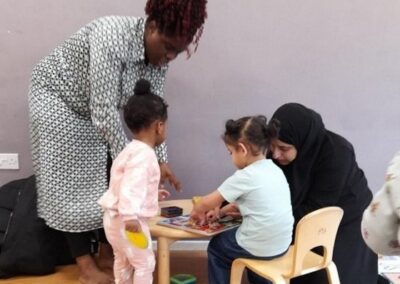
Peep TALK: Barking & Dagenham Family Hubs
Parents supporting children's communication and language during day-to-day routines
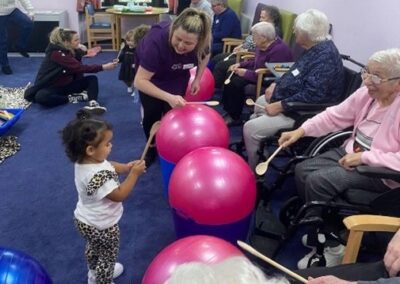
Intergenerational Peep: Aberdeen
Bringing toddlers, parents and older adults together to build connections, confidence and wellbeing.
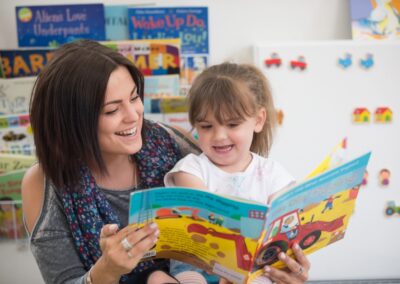
Learning Together Study
How strengthening the home learning environment improves children's early literacy and helps narrow the attainment gap
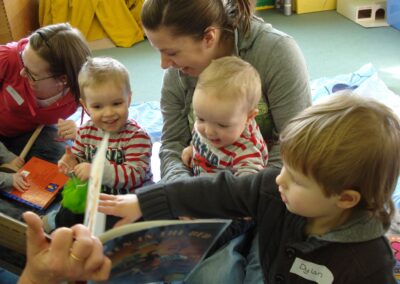
Peep Birth to School Study
How supporting parents from birth improves the home learning environment and children's early development over time.
No results found.