
Research overview
The Learning Together Study was a Randomised Controlled Trial (RCT) research study which adds to the Peep evidence base. The findings showed that using the Peep Learning Together Programme with families strengthened the home learning environment, improved children’s outcomes and helped narrow the gap in educational achievement.
What the study did
The large-scale, independent Learning Together Study evaluation was carried out by Queen’s University Belfast and was funded by the Education Endowment Foundation. It involved 1447 families with three-year olds from 139 nursery settings across England, using a 20-week version of the Peep Learning Together Programme.
Trained practitioners use the Programme to strengthen parents’ skills and confidence in helping their children to learn through everyday activities.
Key findings
Improving children’s outcomes
We are very pleased that overall the Study found that the Peep Learning Together Programme made a positive difference of an additional two months progress over a five-month period to children’s early literacy development.
Narrowing the attainment gap
However, the Programme made the greatest difference to children eligible for Early Years Pupil Premium, who made an additional four months’ progress in core language skills and in communication, and three months’ additional progress in early literacy development.
The Peep Learning Together Programme is based on evidence that the quality of learning opportunities within a child’s home environment increases their chances of doing well at school and beyond.
Additional progress over 5 month period for the Peep Learning Together children:
Children’s early literacy development:
+ 2 months
Peep children eligible for Early Years Pupil Premium:
- early literacy development:
+ 3 months’ additional progress - core language skills and communication:
+ 4 months’ additional progress
Improving parents’ confidence and understanding
The study also found that the Programme had positive effects on parents, who reported improvements in:
- parental self-acceptance
- the home learning environment
- their confidence in enjoying and playing with their child
- their parenting knowledge and learning.
Watch the 90-second video of Peeple CEO Dr Sally Smith giving an overview of the Learning Together Study and its findings:
Consolidating the Peep evidence base
The findings of the Learning Together Study replicate those of the Birth to School Study, a six-year longitudinal evaluation of the Peep Learning Together Programme carried out by the University of Oxford. During the first three years of the evaluation, the Birth to School Study found positive effects on parent/child interactions and the quality of the care-giving environment at home. In the following three years it went on to find an increased rate of progress for the children in a suite of outcomes related to early literacy development.
Impact on practitioners and settings
Findings from the study showed that more than 90% of practitioners found that the Programme was easy to use and implement, and that the programme was delivered with high fidelity. Some practitioners felt that the length of the Programme (20 weeks) may have been a barrier for some parents. However, parents who attended at least one session of the Programme, attended on average 70% of sessions. We were pleased by this figure, given the various difficulties that can get in the way of parents attending weekly sessions with their three-year olds.
In addition, the cost to schools of delivering the Learning Together Programme is very low: £31.60 per pupil per year, as averaged over three years.
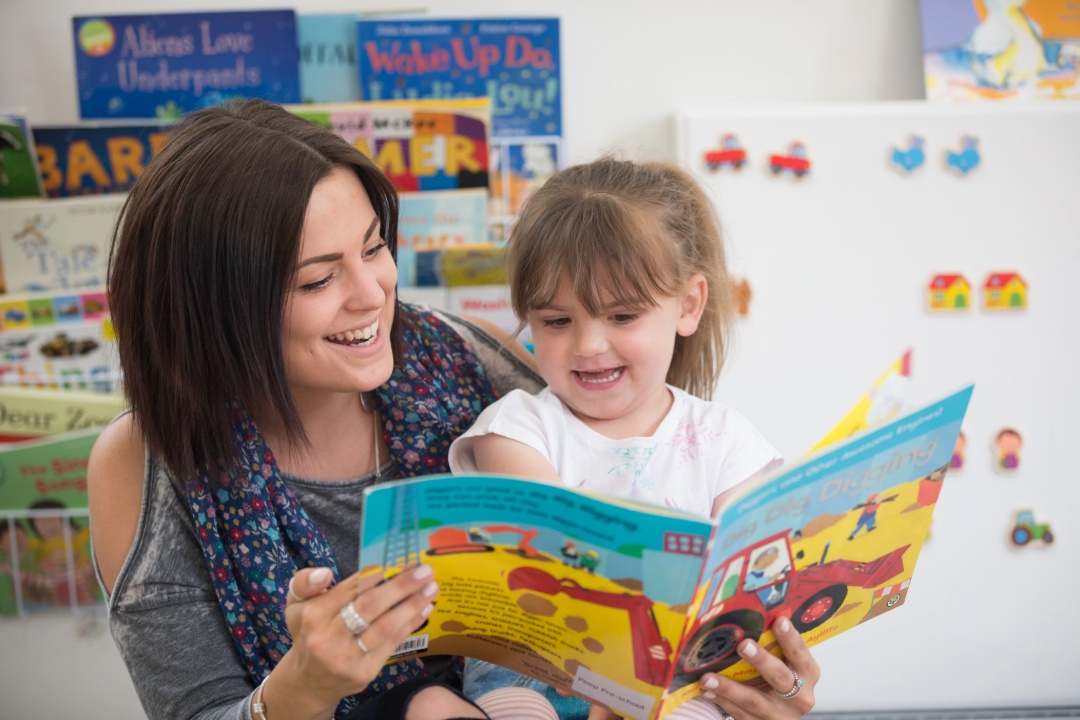
As the comments below indicate, practitioners noticed positive changes in the children’s communication, and in relationships and engagement with parents. Parents particularly noticed their children’s growing engagement with literacy. The study also highlighted the value of parenting programmes being available in the nursery.

Working in partnership
We would like to thank the Education Endowment Foundation and Queen’s University Belfast for their collaborative approach to working with Peeple on the Study. Its robust nature, as with all studies funded by the Education Endowment Foundation, gives confidence in the findings. They make an important addition, both to the evidence base for the Peep Learning Together Programme, and to the evidence more broadly, that working with parents to improve the home learning environment is a feasible and effective means to improve child outcomes, particularly for the most disadvantaged.
We’d also like to thank the Sutton Trust and Esmee Fairbairn Foundation for the Parental Engagement Fund, which provided an important stepping stone towards this evaluation by randomised controlled trial.
Finally, we would like to thank all the settings, practitioners, parents and children who took part in the Study. We really appreciate the time and commitment involved and we hope that you will all continue to enjoy learning together!