
Research overview
The Birth to School Study is a longitudinal evaluation of the Peep Learning Together Programme, with a sample size of 600 families. The Learning Together Programme aims to encourage children’s early learning and development and to nurture their self-esteem by supporting parents, contributing to a positive home learning environment. Consequently, the Birth to School Study investigated the effects of the Programme on parents as well as on children. The study contributes to the Peep evidence base, having found that the children who participated in Peep made better progress in a set of skills related to early literacy development and had higher self-esteem, and parents reported enhanced view of their parent-child interactions. The study was carried out by the University of Oxford (2005).
How the study was carried out
Families who had participated in the Peep Learning Together Programme in Oxford were compared to children who lived in a similar area in another city but had not received the Programme. Propensity score matching was also used to refine the comparison. The six-year span of the study allowed time for potential effects on the parents to ‘filter down’ to the children. The children were assessed each year using standardised instruments including measures of language, literacy, numeracy and general cognitive ability. Their socio-emotional development, including self-esteem, was also assessed.
Key findings
The effects of Peep on the cognitive development of children
Peep children made significantly greater progress over time than matched children from the comparison area in a range of skills related to language development and future literacy success:
- vocabulary
- phonological awareness of rhyme and alliteration
- letter identification
- understanding of books and print
- writing.
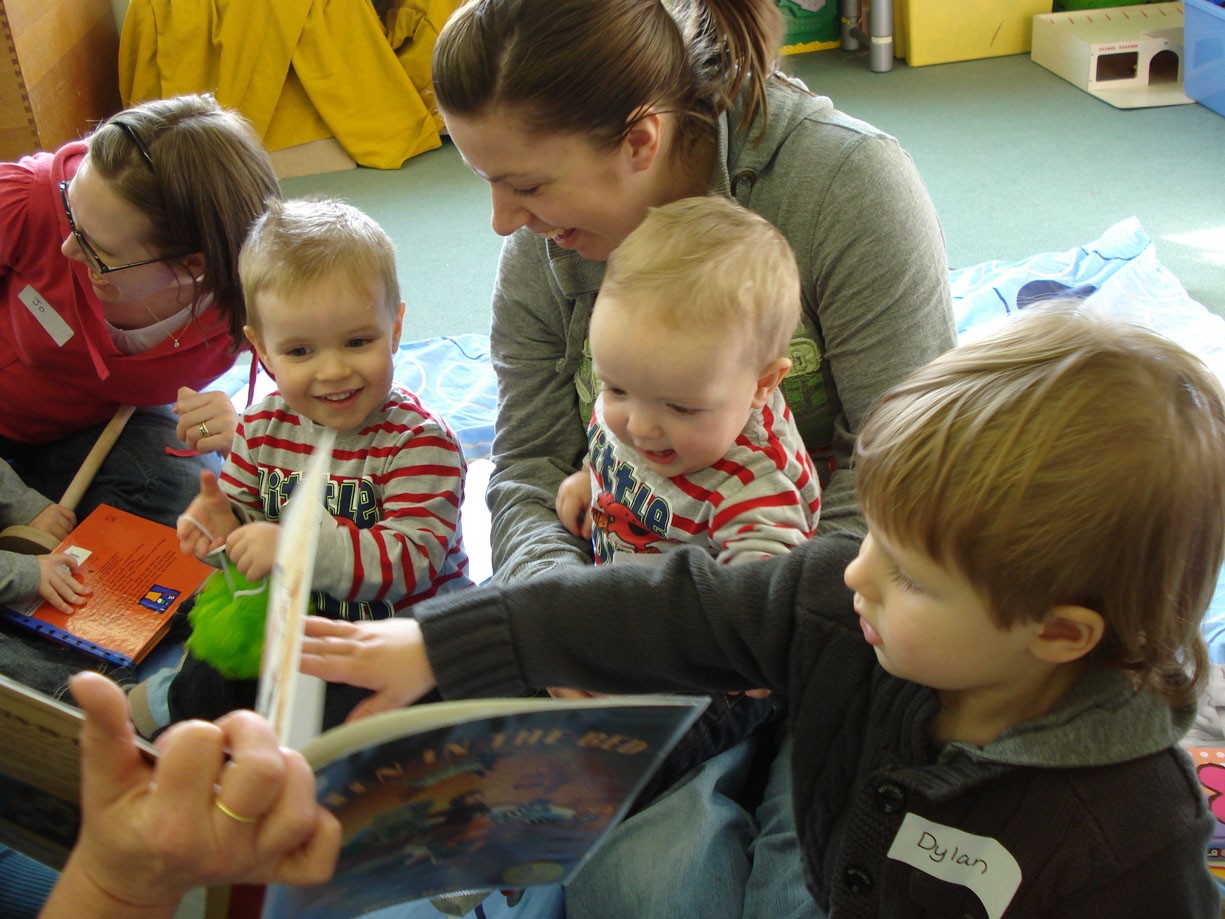
These skills are a good indication of reading readiness, specifically the ability to read by the end of the Foundation Stage. The findings are a reflection of the literacy focus of the Peep Learning Together curriculum, which promotes talking, singing, book sharing and other activities related to literacy from birth.
The effects of Peep on the socio-emotional development of children
Children from the Peep group showed a significant advantage, compared to the matched children from the comparison area, in the following measures related to self-esteem:
- peer acceptance
- cognitive competence
- physical competence
- general competence
- total self-esteem.
These effects reflect how self-esteem is integral to the Peep Learning Together programme, through which parents are supported in understanding that children learn best when they are happy and confident and when their efforts and actions are valued and understood.
The effects of Peep on parents
- Peep parents, compared to matched parents from the comparison area, reported a significantly enhanced view of their parent/child interaction when their children were aged one.
- When the children were two years old, Peep parents were rated significantly higher on the quality of their care-giving environment.
These results are consistent with the way in which the Peep Learning Together programme encourages specific aspects of parenting that are about having a positive and communicative bond with the child.
Discussion of the key findings
These key findings substantiate evidence from other research across a range of early interventions, both in the UK and in other countries:
Enhanced early parenting skills anticipate improved outcomes for children as they get older.
The effect of Peep on parents was established before the outcomes related to the children’s early language, literacy and self-esteem emerged. This can be explained by the Peep model for Learning Together, which is delivered primarily to parents when they are together with their children, and which encourages parent/child interaction that is focused on communication, responsiveness and modelling. It is this relationship that Peep considers to be at the heart of learning, contributing to a strong home learning environment.
Early interventions lead to cognitive and social benefits for children, particularly those at risk of educational underachievement.
Although the Peep Learning Together programme can be, and is, used to support families from all walks of life, it was developed to be of particular value to families with children whose life chances may be compromised by the circumstances in which they live. The Birth to School Study was conducted in an area in which the majority of wards were in the 20% most disadvantaged as measured by the Indices of Deprivation.
To read more about the Birth to School Study, download a research summary or full report (189 pages), or contact us if you’d like us to send you a copy of the Oxford Review of Education article about the Study. You can also read our Tracer study, for which five of the Birth to School study parents were interviewed, as their Peep children were starting secondary school.