Exploring movement
From the Peep Learning Together Programme – supporting parents and children to learn together through play and everyday life
When children become mobile – first by rolling, shuffling and crawling, and later by walking, running and climbing – they are able to explore their surroundings when they are playing and as part of everyday life.
These experiences are important for strengthening their muscles, which help them to control and co-ordinate their movements.
Different ways of moving
Young children have a general pattern to their development, although they may reach different stages at different ages. The gradual development of muscles in their bodies is an important part of helping them to move in different ways.
Babies are born with a number of reflexes, such as the instinctive way that they will grasp your finger. These reflexes are involuntary, which means that they are not actively in control of them. Gradually, as their muscles strengthen, they will develop the ability to control their bodies and to choose to move in different ways.
Being active strengthens children’s muscles,
which helps them to control their movements
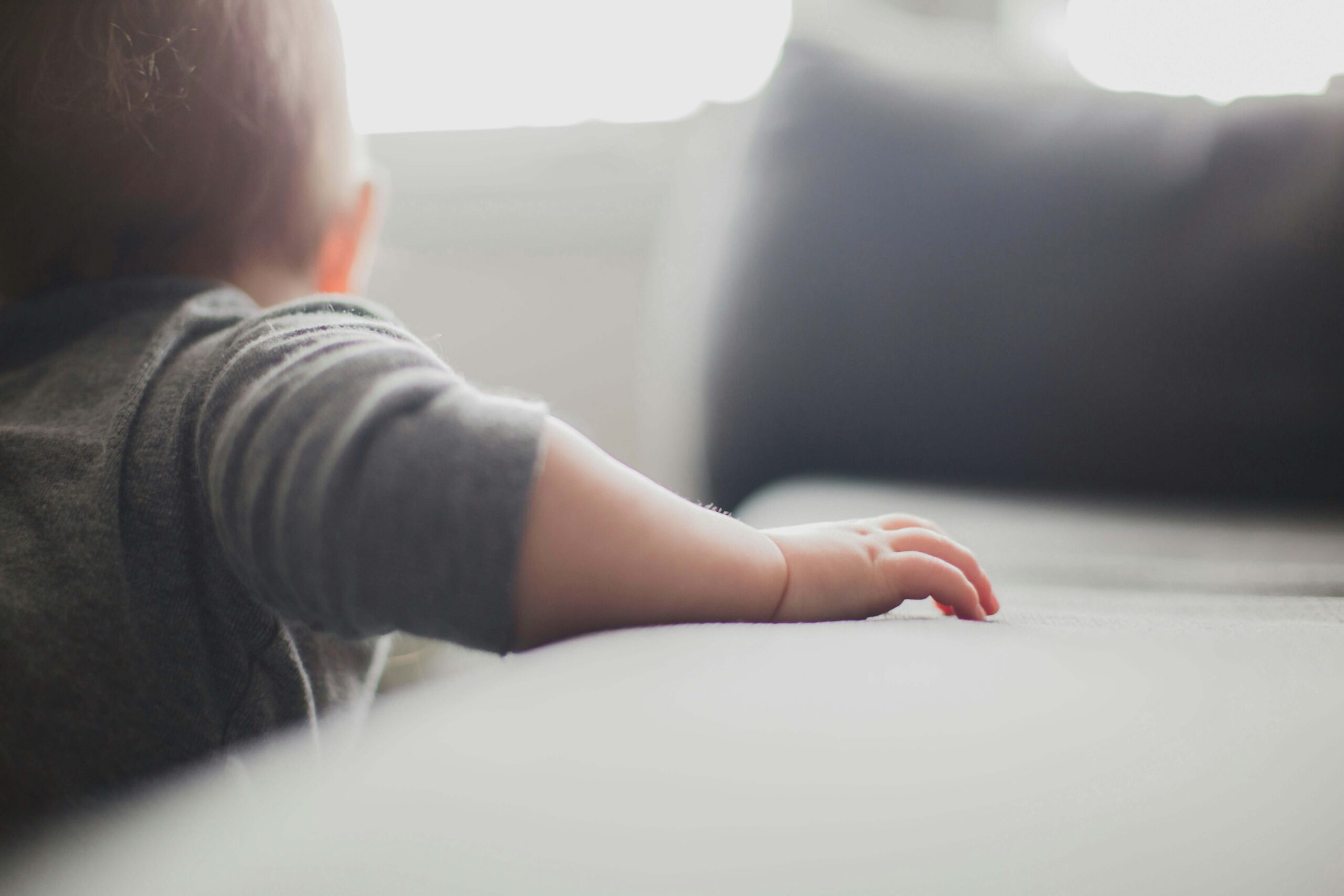
Gross and fine motor skills develop gradually with practice
Big movements develop first, using large groups of muscles in their bodies, arms and legs. As these muscles strengthen through use, children learn how to control and co-ordinate bigger movements, so they can grab a rattle, wave, sit up, crawl, stand, walk, run, kick a ball etc. These big movements are called gross motor skills.
Having control of the bigger muscles is important for supporting the development of the smaller groups of muscles in their feet, toes, wrists, hands and fingers. Children learn to control and co-ordinate little movements by strengthening these smaller groups of muscles. This means they can pick up tiny things with their finger and thumb, hold a pencil to draw or write, and wiggle their toes in the sand! These smaller movements are called fine motor skills.
Body building for young children
Everyday physical activities such as walking, running, jumping, carrying things, playing with toys and repeating movements over and over again, are all good practice for children’s growing muscles.
Your child will enjoy opportunities which encourage them to actively explore their environment in lots of different ways, such as:
- using their big muscles (gross motor movements) by:
- climbing up and down stairs
- jumping off low walls
- crawling into small places
- rolling down slopes
- moving or running around large open spaces
- enjoying ‘rough and tumble’ play
Any type of physical activity will build your child’s big and small muscles and help them to control and co-ordinate their bodies
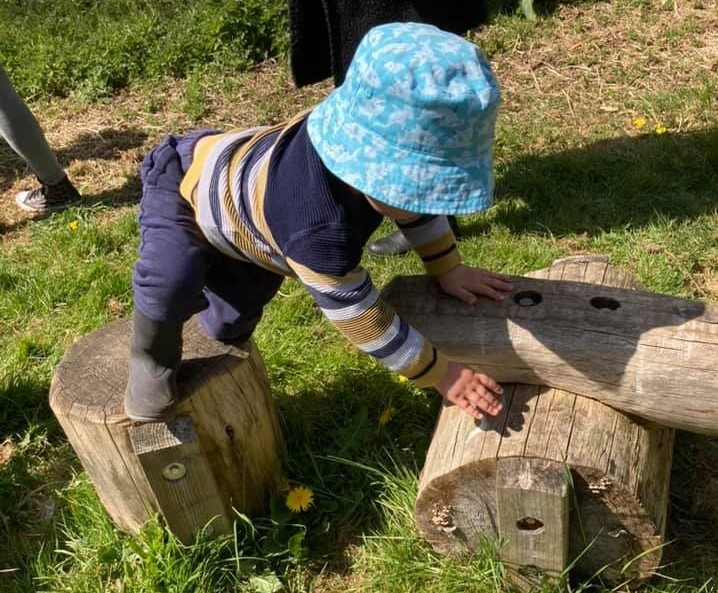
Left and right
As children develop their ability to co-ordinate their movements, they will be able to reach out for things that they can see or hear. This is called hand-eye co-ordination.
It is normal for young children to use either hand to explore or reach objects. It is best just to let them choose which hand they want to use. Around the age of four years, you may find that your child displays a strong preference for one hand or the other.
Staying safe and managing risks
As they begin to move around with increasing confidence, young children are very keen to discover as much of their world as they can. It’s a good idea to check how ‘child friendly’ your home is – getting down on your hands and knees to see the world from your child’s point of view can help you to recognise and deal with any potential hazards!
Everyone wants their children to stay safe and not feel frightened. By supporting your child to do things safely, you can help them develop the skills they need to assess situations and make judgements about their abilities to do things.
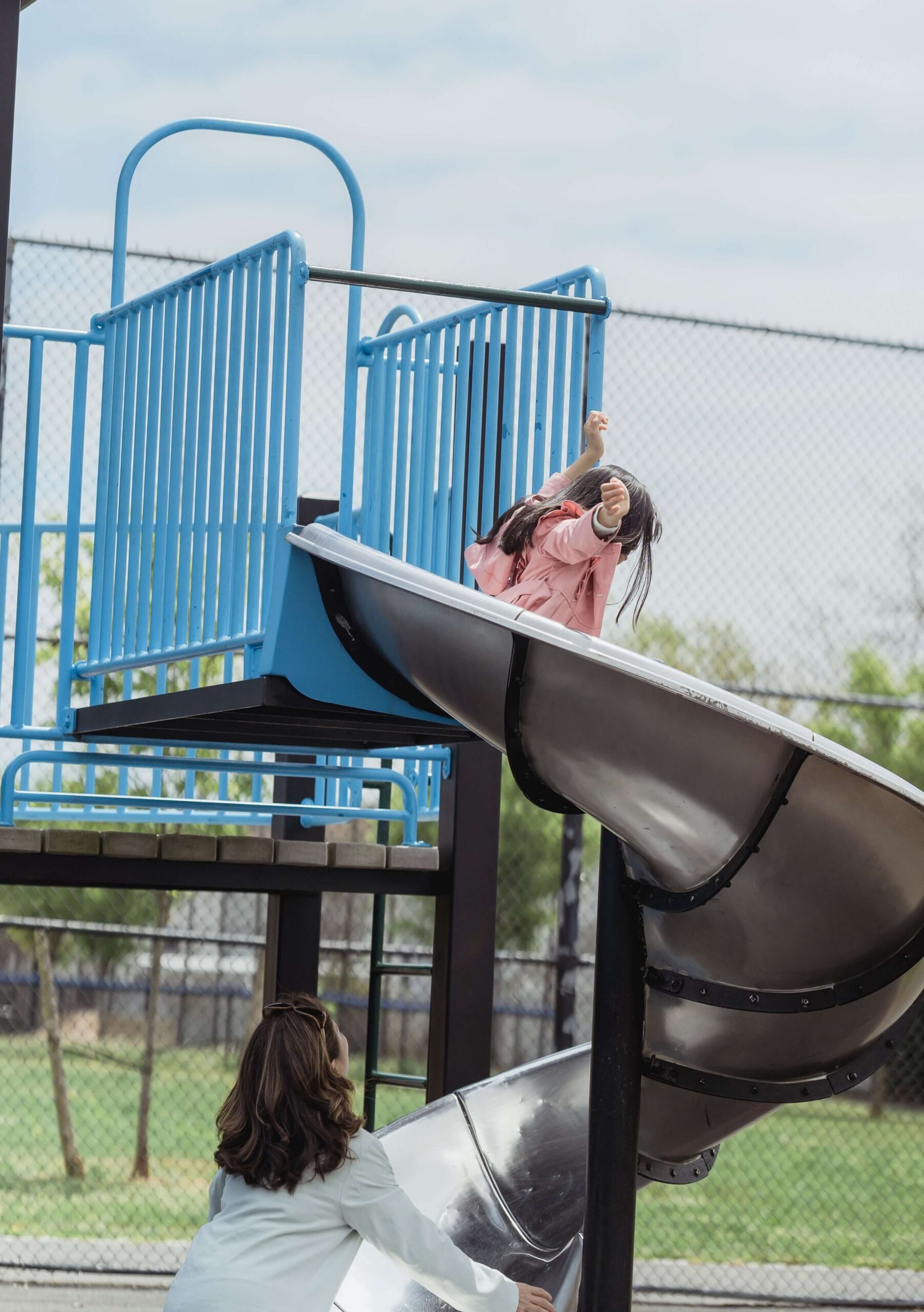
For example, it can be risky learning to climb up the steps of a slide and then sit at the top ready to whizz down.
But when they are ready, talking to your child about taking one step at a time and holding onto the rails – as well as being close by ready to give support – will help them learn how to assess and manage risks for themselves.
Children benefit from learning about risks
and how to manage them
Big and little muscles for writing
When you hold a pencil and write, you are not just using the smaller muscles in your fingers, hands and wrist. You are also using the bigger muscles in your body, including:
- muscles around the middle of your body which help you balance when sitting on a chair
- large muscles in your shoulders and arms which are important for controlling what your hands are doing. (You can usually feel these muscles working by placing your hand on someone’s back near their shoulder blade when they are drawing, writing or typing.)
These muscles also help with other things like turning the pages of a book, getting dressed and eating. A trip to the park is an ideal way to help your child to develop their big and small muscles as they:
- stretch and reach to explore climbing frames and slides
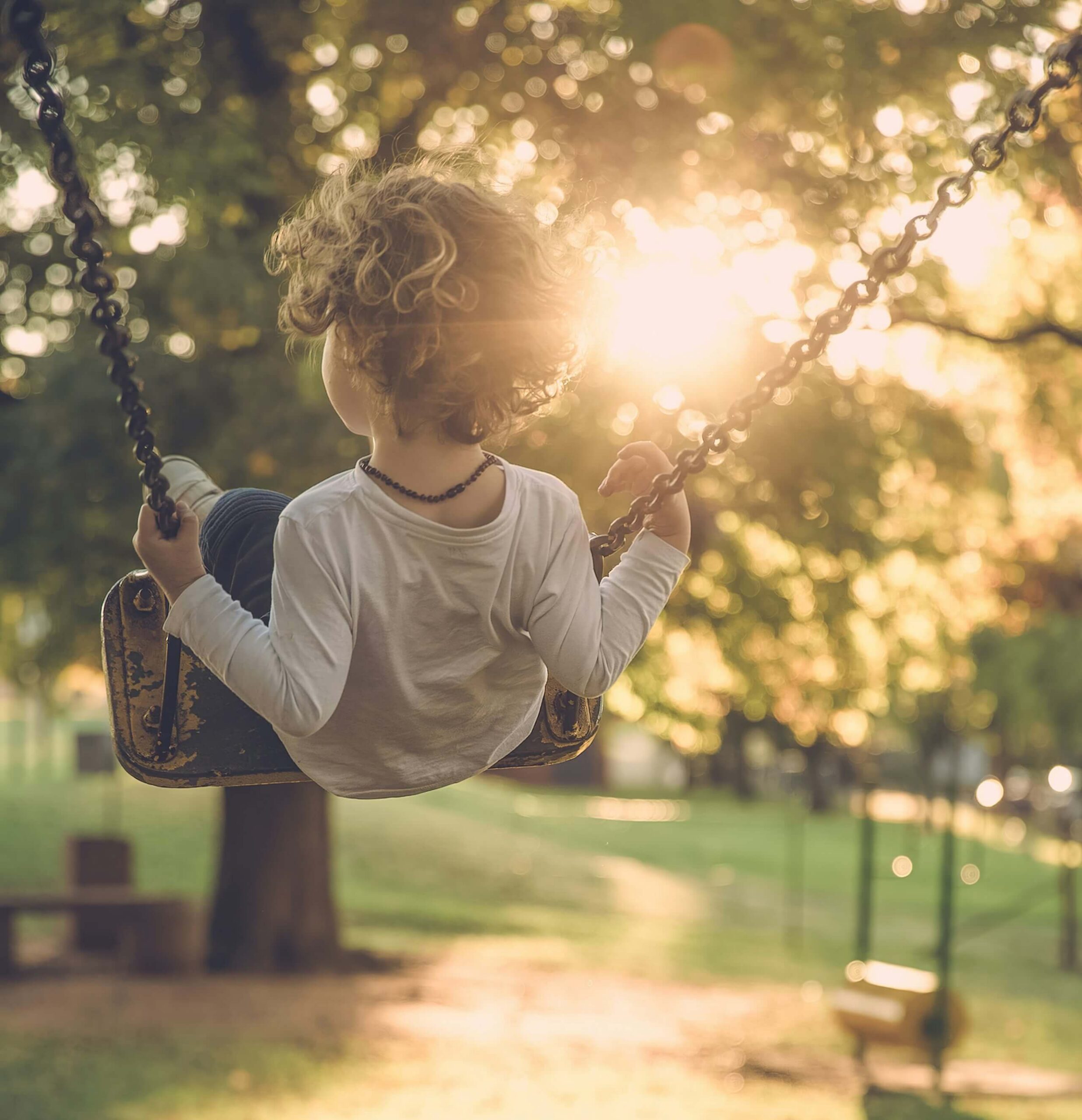
- hold on tight as they use a swing and move their bodies
- balance on a roundabout or seesaw.
A trip to the park can help children develop the skills they will need to draw or write!
Peep programmes and resources
The information on this page is from our Peep Learning Together Programme. In Peep sessions, families share song and storytime, play activities and conversations focusing on supporting babies’ and children’s development through play and everyday life.
Peep builds on the things you’re already doing with your child, making the most of everyday moments to learn together, have fun and strengthen relationships.
If you’re a parent or carer:
If you work with families:
This resource is one of a selection from the Peep Learning Together Programme shared in support of the Learners from Birth initiative.
Ages and stages: We recognise that children are all different, and developmental needs and interests don’t always align with a child’s age. Any ages mentioned are a general guide – the resources are for using flexibly to meet individual children’s needs and interests.