Early conversations
From the Peep Learning Together Programme – supporting parents and children to learn together through play and everyday life
Babies begin to communicate long before they use words
Right from the start, babies are fascinated by the people around them – they will turn towards your voice and look intently at your face. You may have noticed your baby making different gestures, sounds or facial expressions – this is their way of talking to you. When you watch and respond to your baby, by taking turns to ‘talk’ and listen, your baby will learn about having conversations.
Face to face
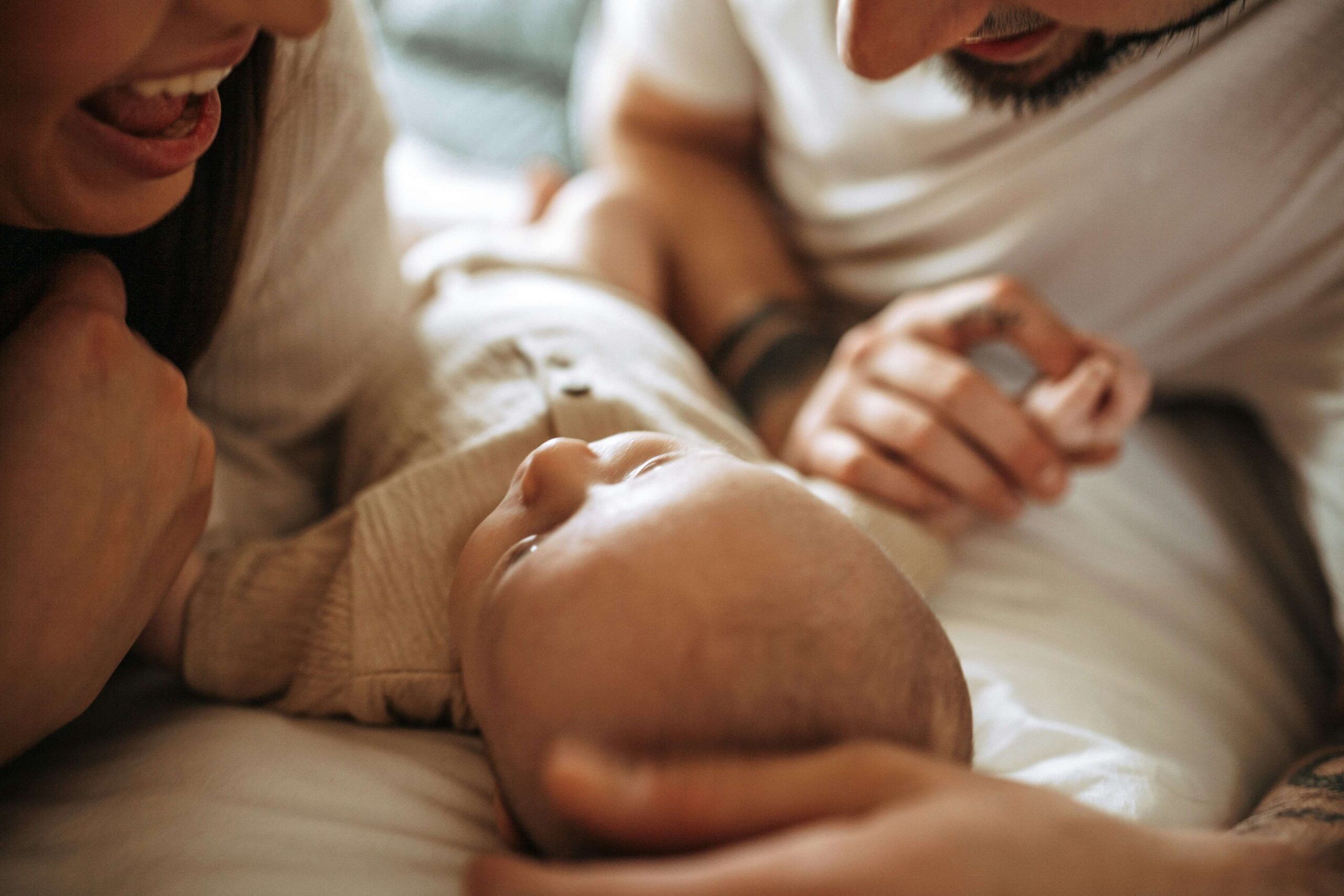
Babies love to focus on faces when they are ‘talking,’ so they can see the shape of your mouth and your eye movements. The best distance in the first three months is about the space between your face and theirs when you hold them in the crook of your arm. Feeding your baby is a perfect time for them to study your face, and for you to gaze into each other’s eyes.
As your baby is able to focus on your face more clearly, they may start to smile at you. When you smile back at your baby, they begin to learn how important smiles are and will begin to smile more at you. ‘Talking in smiles’ will help you get to know each other.
‘Talking in smiles’ will help you get to know each other
Quiet times
It can help your baby focus on your voice and the sounds around them if they are not distracted by lots of background noise
We live in a noisy world! We are surrounded by all kinds of sounds like the television, music, traffic, household machines or crowds of people all chatting at once. As adults, we can tell the differences between these sounds – babies need to learn these differences.
Having quiet times together will give your baby the opportunity to listen closely to your voice, and to become familiar with the other sounds around them – like the birds singing or a helicopter flying by.
Talking to your baby
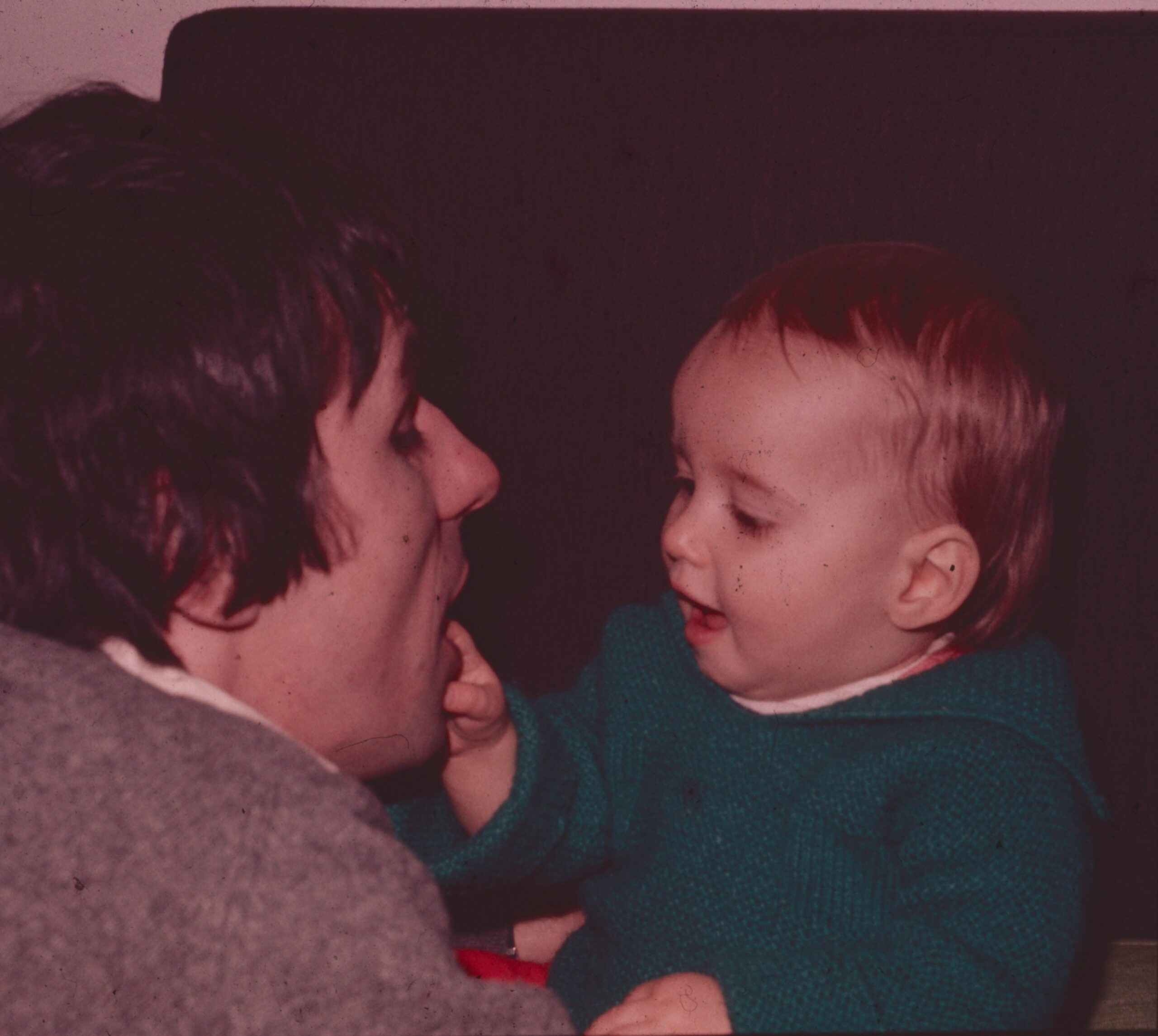
You may have noticed a difference in the way that you talk to your baby. We often talk to babies and young children using a higher and more sing-song voice – with our words swooping and gliding as we speak. You also might have found yourself making exaggerated faces at your baby by opening your eyes or mouth wider than usual!
This is called ‘motherese’ or ‘parentese’ and babies love it! When we talk to them like this, they pick up all sorts of positive messages from our tone of voice and facial expressions about how we feel towards them.
It also helps them begin to learn about the sounds and patterns of the language being used around them. You might feel a bit self‑conscious talking to your baby like this – but give it a try – your baby will appreciate it!
Understanding and responding to baby conversations
When they are very tiny, talking with babies is about listening to them and watching them as well as talking to them.
Babies ‘talk’ more and more when others respond to them – as well as supporting their early language, these conversations help them feel the closeness and security that they are looking for.
By watching your baby closely, you can tune in to the facial expressions, gestures and sounds they are using to talk. This might be something as small as their eyes widening or lips moving, or it may be a shriek or excited leg kicking. This is your baby’s way of joining in and letting you know they are listening and watching too!
Try copying your baby’s cooing sounds or facial expressions. Watch and listen for their responses. Leave gaps in the conversation so that your baby has time to answer you in their own way.
It can take a little while for them to respond so be patient and keep watching for any little gestures, expressions or sounds! Your encouragement will help your baby to want to try talking again. These early conversations are great for helping you and your baby get to know each other.
Babies ‘talk’ more and more when others respond to them
Time to talk
Babies tend to talk most when they are happy, excited or interested in what is going on around them. Think of when the best times for talking might be for your baby – perhaps during nappy changes or when they are feeding.
But you don’t need to entertain them by chatting all the time – babies need quiet times too! It can be hard work for them to keep conversations going in the early days and they will let you know when they have had enough by turning away from you.
It can be helpful to think about whether your baby is in the mood to talk. If they are sleepy, hungry or in pain, they are unlikely to feel like socialising – but they will appreciate the sound of your voice to calm them and let them know you are near.
Early conversations starters
Try these ideas to encourage your baby to have conversations with you:
- Respond when your baby makes cooing, gurgling and babbling sounds by copying the sounds back to them and making comments, e.g. “I can hear you talking… are you telling me it’s time to get up?”
- Chat to your baby as if they are an older child. Tell them what you are doing – let them know what is coming next and give them a chance to respond.
- Sing to your baby and notice when they are listening to you by looking into their eyes and smiling.
- Respond to your baby’s sounds and gestures as if they are talking to you, e.g. “That’s a big smile! I think you like that!”
- Play repetitive games so your baby starts to learn what will happen next, e.g. tickling games – Round and round the garden like a teddy bear, or playing Peepo.
- Share books with your baby – it’s never too early to start!
Chat to your baby – let them know what you are doing, and give them chance to respond
Everyday conversations
As well as enjoying conversations with you, babies can become very interested in listening to others too. You may notice them turn their heads with interest when you are chatting to a friend, or when they hear a voice on the radio or television.
Babies need to hear a lot of talking before they are ready to use words. Holding conversations with your baby will help them to develop the skills they will need to become good communicators themselves.
Peep programmes and resources
The information on this page is from our Peep Learning Together Programme. In Peep sessions, families share song and storytime, play activities and conversations focusing on supporting babies’ and children’s development through play and everyday life.
Peep builds on the things you’re already doing with your child, making the most of everyday moments to learn together, have fun and strengthen relationships.
If you’re a parent or carer:
If you work with families:
This resource is one of a selection from the Peep Learning Together Programme shared in support of the Learners from Birth initiative.
Ages and stages: We recognise that children are all different, and developmental needs and interests don’t always align with a child’s age. Any ages mentioned are a general guide – the resources are for using flexibly to meet individual children’s needs and interests.