Early Sensory Experiences
From the Peep Learning Together Programme – supporting parents and children to learn together through play and everyday life
The world is very new to a baby! Every day they experience things that they have never seen, smelt, heard, touched or tasted before – every new sensory experience they have helps to build their brain.
Something a baby will know from birth is their mother’s unique and familiar voice, smell and taste – soon they will be able to recognise her by sight too.
A whole new world
From the moment they are born, babies experience a world that is full of new sights, sounds, smells, textures and tastes for them to explore and make sense of.
Given all this new information, it’s not surprising that it takes your baby a while to process new sensory experiences. They need a little time to respond to what they are feeling, seeing, hearing, touching or tasting.
Babies and young children are naturally curious about their surroundings – their fingers and toes, colours and shapes, as well as the different faces and voices around them.
With your support and encouragement, this curiosity helps them to explore and find out about their world.
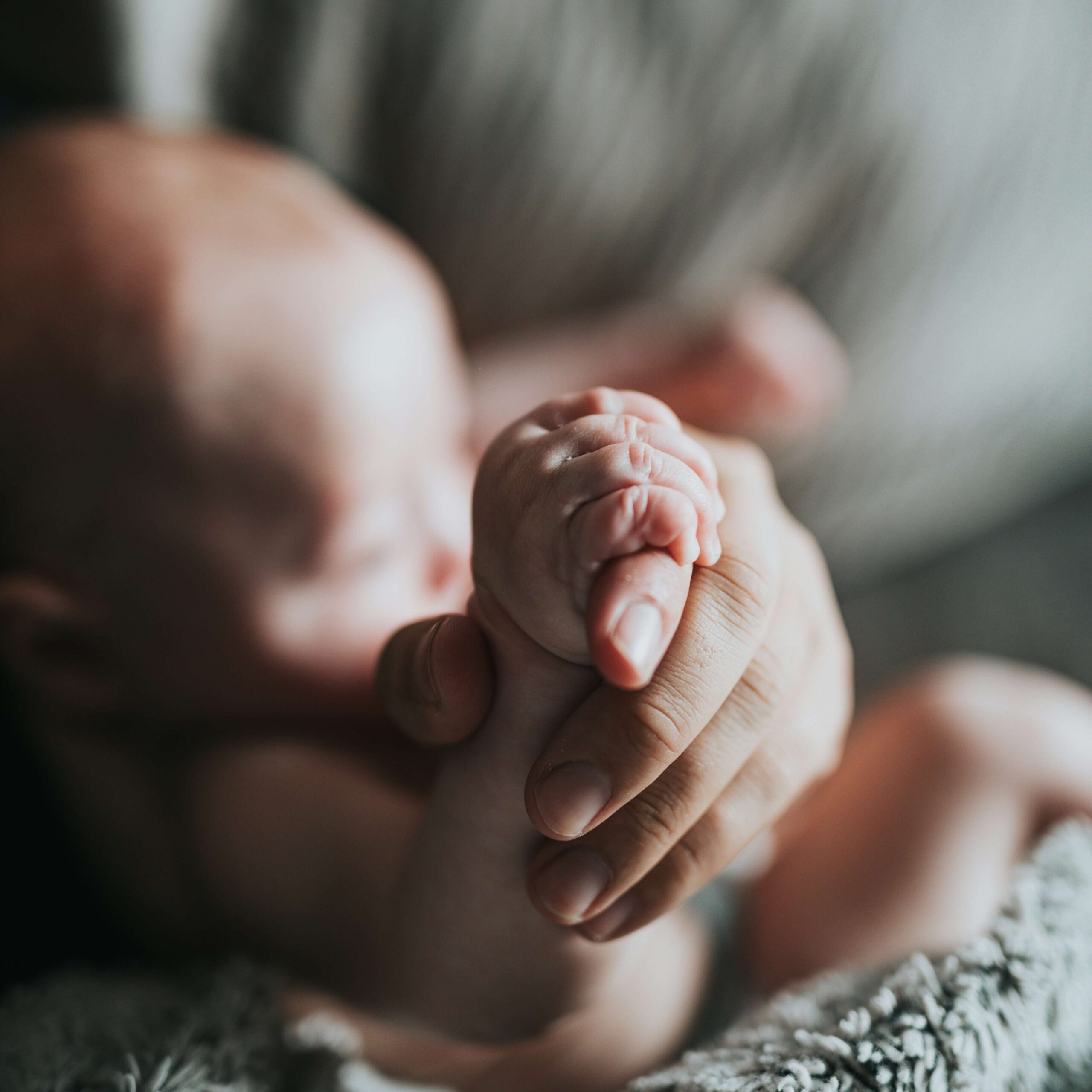
Sensory experiences – sight, sounds, smell, taste, touch – help babies to learn about the world around them.
Getting to know you!
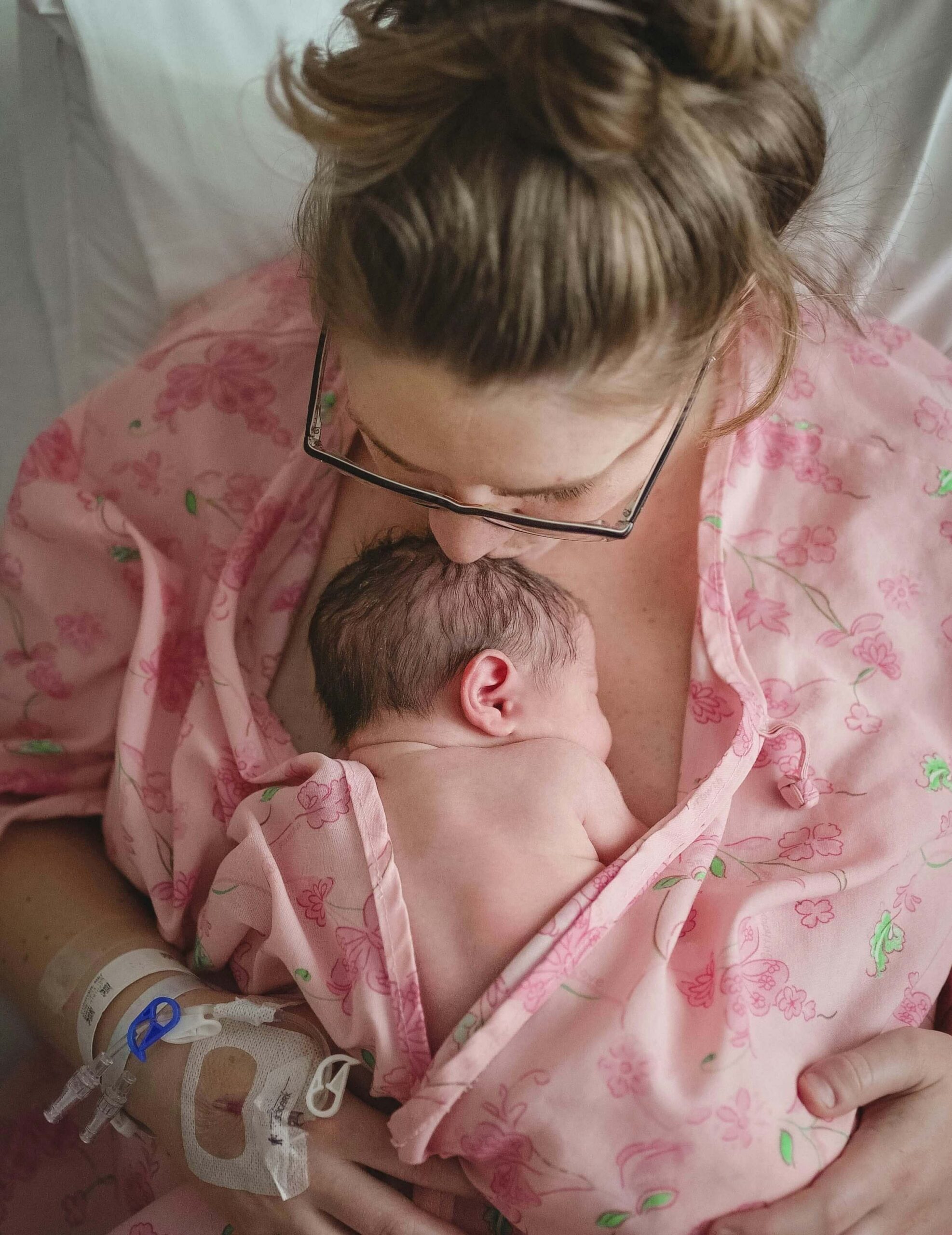
From birth, a baby will know their mother by her unique and familiar voice, smell and taste. They will soon come to recognise others who care for them in the same way.
Babies find these things very comforting and will often snuggle into a parent/carer and turn their head toward the breast or bottle when they are getting ready to feed.
Babies enjoy the feeling of skin-to-skin contact – this means holding them next to your body without clothes or blankets. There is some evidence to suggest that this helps build a strong relationship between baby and carer and that it is good for the baby’s health.
Babies listening
Even before they are born, babies begin to hear sounds and feel movement – the steady rhythm of their mother’s heartbeat accompanied by the movement of her body as she goes about her daily activities. As they develop, babies begin to hear external sounds such as voices, music and other noises.
From birth, your baby will be familiar with (and is often soothed by) the sound of your voice, and other voices that they heard frequently before they were born.
You may have noticed your baby being startled by loud or unexpected noises – but often they will sleep peacefully through the sound of the hoover or washing machine spinning!
From birth your baby will recognise familiar voices, and often be soothed by them.
Learning to focus
At birth, a baby only has a short focusing distance
At birth, a baby only has a short focusing distance – about the space between your face and theirs when you hold them in the crook of your arm.
At around two to three weeks, they are able to focus on faces more clearly and they will enjoy staring into another person’s eyes.
Soon they may start to smile at you – and they’ll be able to see you smile back at them. This is your baby’s way of getting to know those who care for them – and for you to get to know them too!
Their vision develops gradually during the first six to eight months, when they are able to see nearly as well as an adult. During this time, they are drawn to patterns with clearly contrasting colours, e.g. black and white.
Exploring with their mouths
You’ve probably noticed that babies tend to explore objects by putting them in their mouths. Their gums are very sensitive and by exploring in this way they are able to tell a lot about how an object feels, smells and tastes.
Your baby will use their mouth and tongue to find out about the textures and features of objects – in this way they are touching and feeling objects rather than tasting them.
Exploring like this is very important for babies as it begins to strengthen the muscles in their mouth and tongue, which are important for making sounds that are needed for speech.
Exploring objects with their mouth helps babies strengthen the muscles they need for speech
Early sensory experiences
Providing safe opportunities for your baby to stimulate their senses (sight, smell, sound, taste and touch) will help them to explore and learn about their world.
Here are some ideas to try:
- Make a treasure basket with some everyday items that encourage your baby to use their senses, e.g. a washed, inside out crisp packet, an orange, a wooden and metal spoon, rattles etc.
- Next time you change your baby’s nappy, try some gentle tickling, stroking or blowing songs on their hands, feet, tummy – or try using a soft see-through fabric to gently drape over your baby as you play Peep-o.
- Share a book with your baby that has images with strong contrasting colours, or a touchy‑feely book with different textures.
- Place your baby in a safe and comfortable place on the floor and let them explore around them – try outdoors too so they can feel the breeze on their skin and experience the sounds and smells of the environment.
- Make some homemade shakers by filling a small, washed out plastic bottle with rice then sealing the screw-on top securely. You could also make some with coloured tinsel or buttons etc.
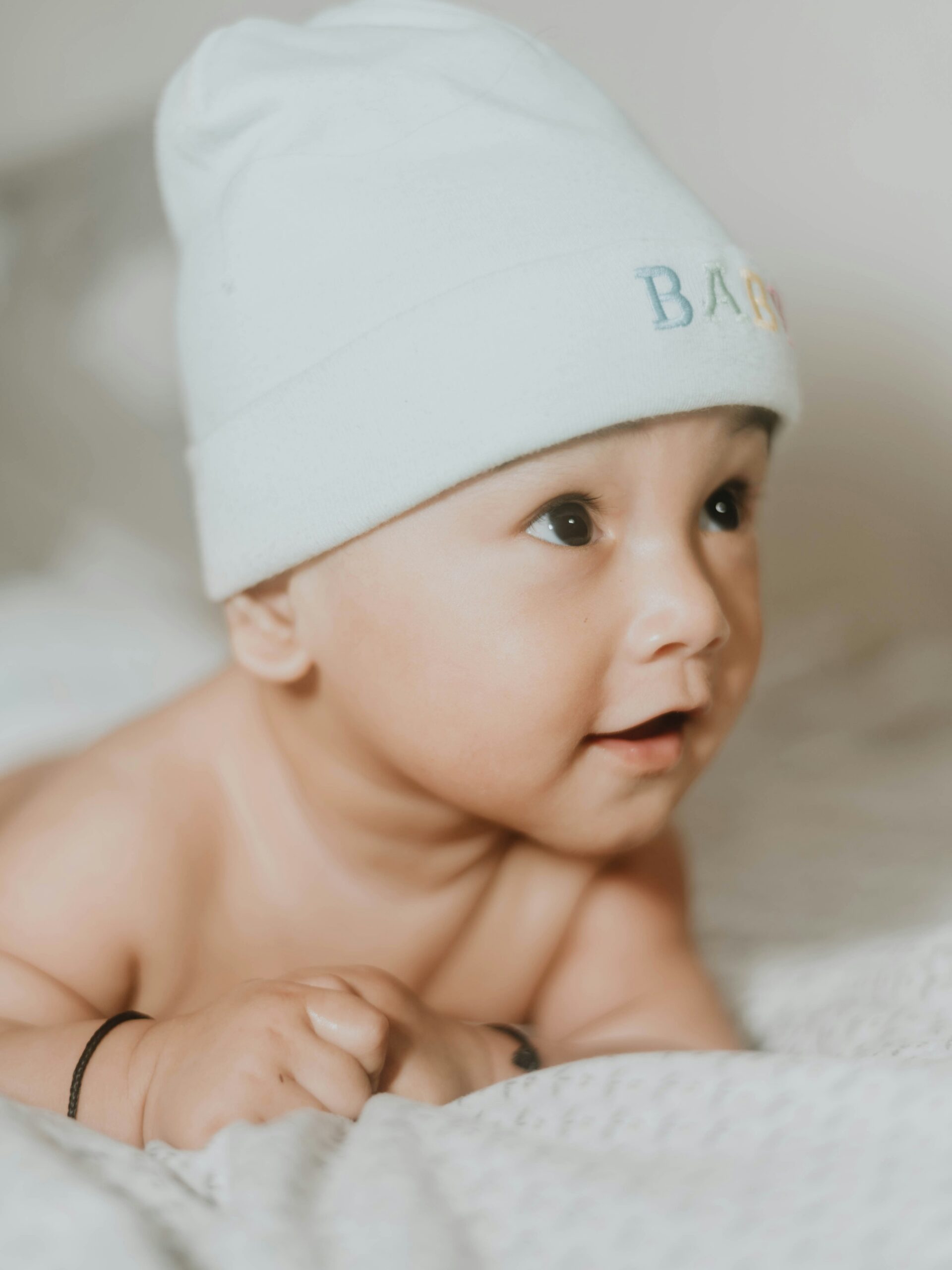
Babies use their senses to discover the world around them.
Kabita Darlami on Unsplash
Peep programmes and resources
The information on this page is from our Peep Learning Together Programme. In Peep sessions, families share song and storytime, play activities and conversations focusing on supporting babies’ and children’s development through play and everyday life.
Peep builds on the things you’re already doing with your child, making the most of everyday moments to learn together, have fun and strengthen relationships.
If you’re a parent or carer:
If you work with families:
This resource is one of a selection from the Peep Learning Together Programme shared in support of the Learners from Birth initiative.
Ages and stages: We recognise that children are all different, and developmental needs and interests don’t always align with a child’s age. Any ages mentioned are a general guide – the resources are for using flexibly to meet individual children’s needs and interests.