Helping children to understand and manage their feelings
From the Peep Learning Together Programme – supporting parents and children to learn together through play and everyday life
Children are not born knowing how to manage their emotions, and the feelings and behaviours that accompany them.
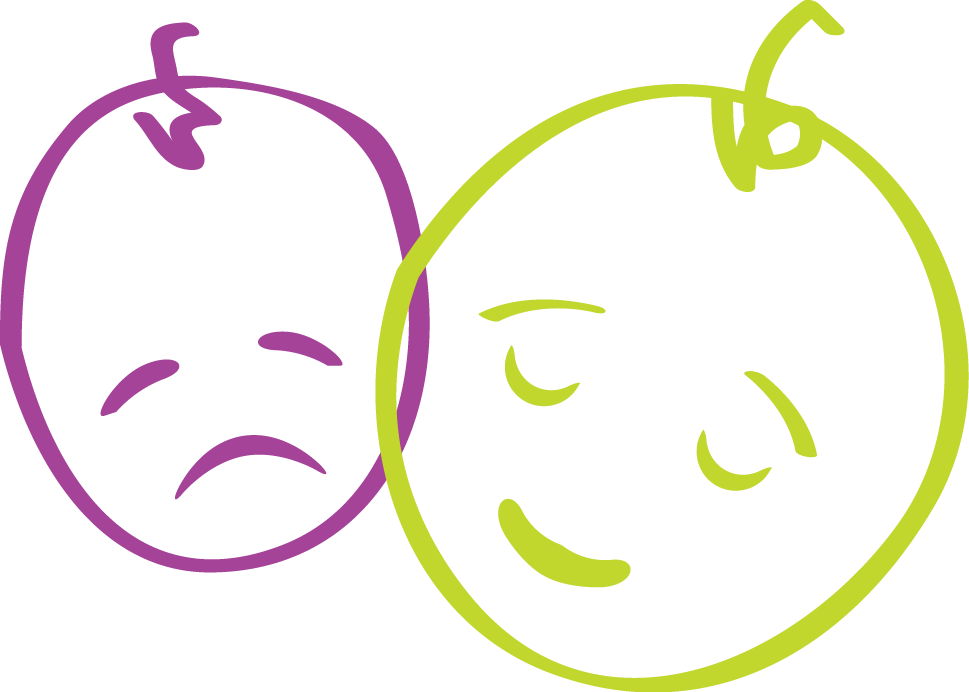
As adults, we can help by talking with children about their feelings, so that they learn to recognise and name different emotions.
The wide range and mixture of feelings can be very confusing for young children. Younger children can generally recognise basic emotions, e.g. happy or sad, but they may confuse fear with anger. By the age of four years, children learn that it is possible to feel mixed emotions.
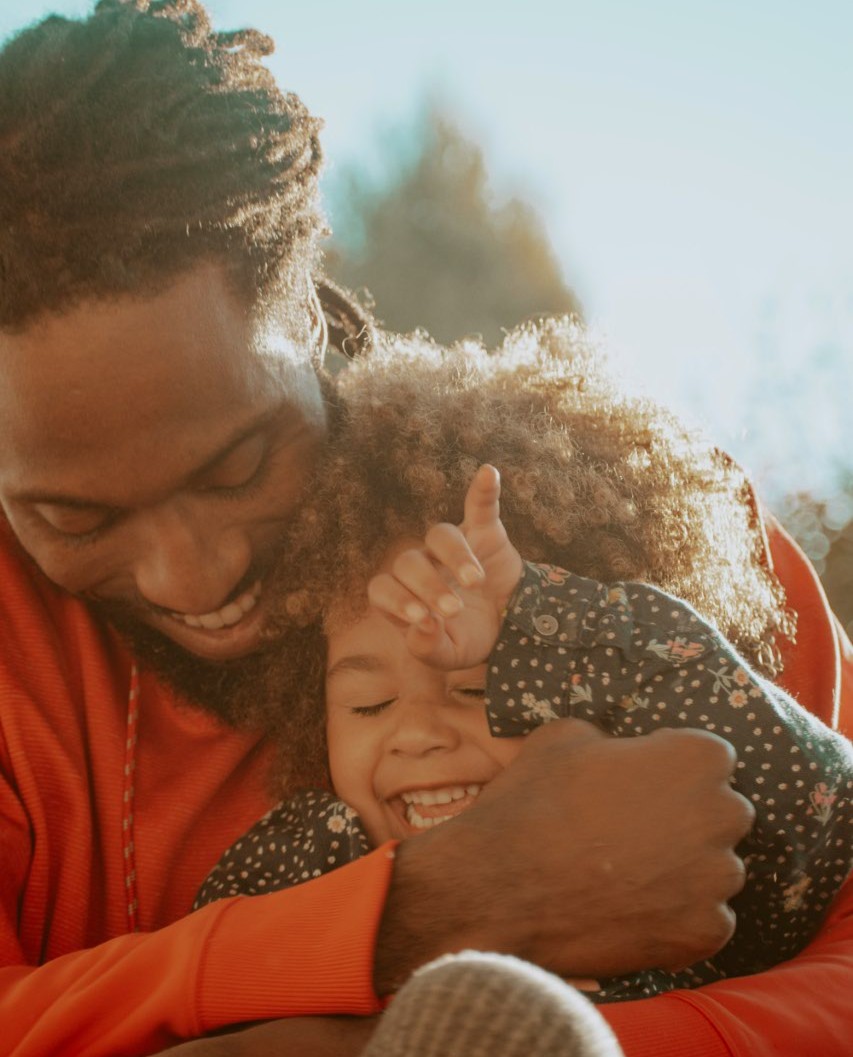
Talking with children about their feelings helps them learn to recognise and name different emotions
Finding the words
Talk about your own feelings with your child – tell them when something makes you happy or upset, and explain why you feel that way. This will help your child start to understand that changes in how we are feeling are a natural part of being who we are.
Take time to notice and comment on your child’s emotions, for example ‘I can see that you are feeling cross!’ or ‘You look excited this morning!’
This will help your child to start to recognise their own emotions, and to have the words to describe them. When something frightening or disappointing happens, they will learn to explain how they’re feeling using words, rather than actions. Gradually, they will start to understand why they might be feeling a certain way.
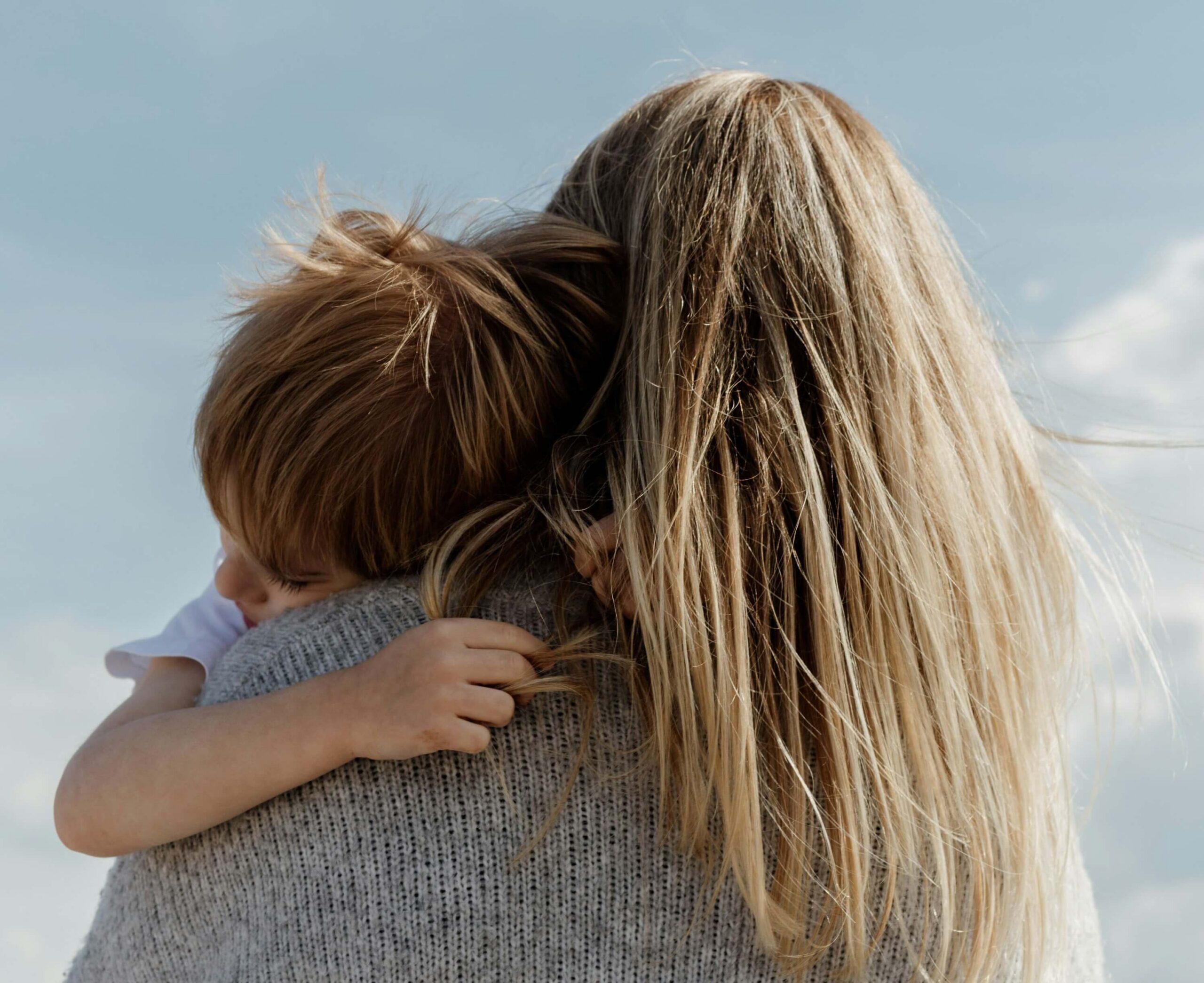
Hearing you talking about feelings will help your child learn to explain that they are feeling frightened or disappointed using words, rather than actions
Dealing with feelings – their own….
Being able to self-regulate their feelings and behaviour helps children to make (and keep!) friends, take turns and share
When adults notice, listen, understand and respond sensitively to children’s feelings and behaviours, children learn how to manage their own feelings and respond appropriately to them. This is known as self-regulation. We also provide important models for children, by the way we react to our own emotions, how we relate to others, and how we respond to difficulties or challenges.
Being able to self-regulate their feelings and behaviour helps children to make (and keep!) friends, take turns and share. It also helps them to become more resilient – able to cope more easily with the ups and downs of everyday life.
…and other peoples’ feelings
Children gradually learn that others may feel differently about the same thing. They need to be able to do this before they can empathise with others – to understand that their friend is feeling sad because their pet is ill, or feels frightened when balancing on a high wall, even if they don’t feel like that.
Music and playing with puppets
Playing with puppets or soft toys can be a really helpful way for children to practise talking about feelings, and thinking about how someone else (the toy) might be feeling.
Music can both reflect our feelings and stimulate them. Music, songs and rhymes can be powerful ways to express feelings, and also to help manage them.
Peep programmes and resources
The information on this page is from our Peep Learning Together Programme. In Peep sessions, families share song and storytime, play activities and conversations focusing on supporting babies’ and children’s development through play and everyday life.
Peep builds on the things you’re already doing with your child, making the most of everyday moments to learn together, have fun and strengthen relationships.
If you’re a parent or carer:
If you work with families:
This resource is one of a selection from the Peep Learning Together Programme shared in support of the Learners from Birth initiative.
Ages and stages: We recognise that children are all different, and developmental needs and interests don’t always align with a child’s age. Any ages mentioned are a general guide – the resources are for using flexibly to meet individual children’s needs and interests.