The importance of relationships
From the Peep Learning Together Programme – supporting parents and children to learn together through play and everyday life
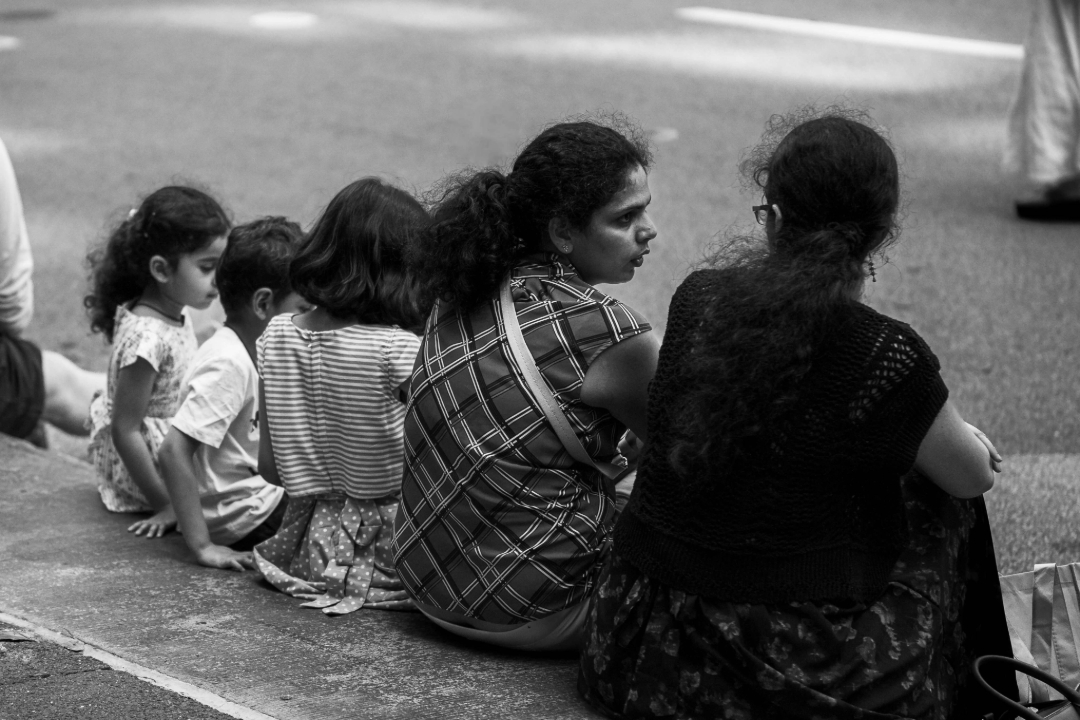
Family, friends and neighbours all have an important part to play in your child’s life. Some people they will know well, others they might only see occasionally.
Every relationship offers children opportunities to discover their world. They will also have an influence on their learning and development – particularly their relationships with those who are close to them.
Children learn from everyone they know!
Important people in your child’s life
Apart from you, it is likely that there are other people who are a part of your child’s world. These might be people that they know or are related to, such as:
- friends around their own age, neighbours, childminders, nursery/ pre-school staff etc.
- brothers and sisters, grandparents, aunts and uncles, cousins
These people and the relationships that your child has with them, will all contribute toward their learning and development.
Relationships with family, friends and others are an important influence all through life. For example, you can learn a lot about being a parent from friends – including those you meet through Peep.
Lots of different people are part of your child’s world
Learning from others
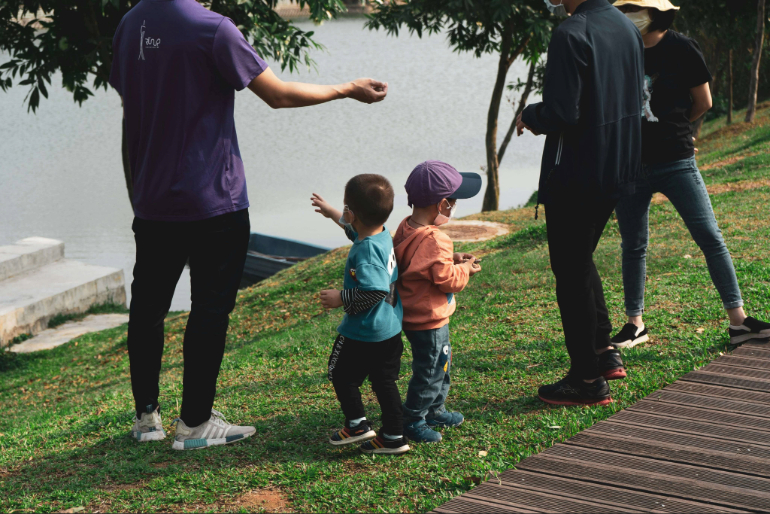
Relationships are at the heart of learning
Children use the important people in their lives as role models to learn how to behave, act and respond.
Try watching your child – perhaps when they are playing. It can be surprising to realise just how much your child is picking up from those around them – you’ll probably spot some familiar mannerisms or phrases. You might want to help them understand that some have an appropriate time and place, and some are probably best not repeated!
Children learn a lot from their relationships with others, such as appropriate behaviour, attitudes and the ‘rules’ which help in getting on with others. These include:
- how to interact with others
- good manners
- how to take turns and share
- how to acknowledge others in culturally acceptable ways
- new words and phrases
- eating habits
- interests and hobbies, e.g. dancing, favorite football teams.
Children’s relationships also help them learn about how others see them. The way that you and other important people in your child’s life respond and react to them will influence the way that they see themselves.
Building relationships
Your relationships with family, friends or neighbours, as well as your general day-to-day interactions with others, will help your child understand and learn how to form their own relationships.
You can help your child to build positive relationships by:
- sharing a meal or even a snack together – this can be a lovely opportunity for family members to talk about their day, share experiences and reconnect.
- looking for opportunities for your child to play and chat with friends their own age – perhaps while you chat with your friend(s) too!
- making up stories which include people you know.
- recognising the importance of your role as a model in the way that you interact with other.
Changing relationships
Relationships are constantly changing and evolving, but there are certain things that can affect the relationships that your child has with others – this might include:
- moving house
- starting nursery or pre-school
- an older brother or sister leaving home
Positive relationships with the important people in their lives can help children to cope with these changes and bounce back from the ups and downs of life.
Children’s natural curiosity along with the security that they feel from knowing they are loved will help them begin to build new relationships, while technology can help maintain contact with distant family and friends.
Supportive relationships with others help children to cope with the ups and downs of life
Imaginary friends are important too
It is not unusual for children to have an imaginary friend who they chat to and will ‘join in’ with their games.
Imaginary friends can play an important part in your child’s life. Just like real friends, your child can talk to them, practising their communication and social skills. Imaginary friends can also be emotionally very reassuring.
It is helpful to know that imaginary friends can sometimes speak for the child. If your child has an imaginary friend it is important to listen carefully to what they say – this can give you a useful insight into how your child might be feeling, or about anything that might be worrying them.
The people that children have the closest relationships with are likely to have the biggest influence over how they learn and develop
Peep programmes and resources
The information on this page is from our Peep Learning Together Programme. In Peep sessions, families share song and storytime, play activities and conversations focusing on supporting babies’ and children’s development through play and everyday life.
Peep builds on the things you’re already doing with your child, making the most of everyday moments to learn together, have fun and strengthen relationships.
If you’re a parent or carer:
If you work with families:
This resource is one of a selection from the Peep Learning Together Programme shared in support of the Learners from Birth initiative.
Ages and stages: We recognise that children are all different, and developmental needs and interests don’t always align with a child’s age. Any ages mentioned are a general guide – the resources are for using flexibly to meet individual children’s needs and interests.