The very first language
From the Peep Learning Together Programme – supporting parents and children to learn together through play and everyday life
Babies and young children understand many things long before they recognise the meaning of words. Their understanding is based on what they see and feel as well as on the words they hear. This very first language is body language. We may not always be aware of it, but we use body language all the time to communicate with people around us.
From birth, children are learning to understand our body language – just as we learn to understand theirs. It takes time, but it gets easier as you and your child get to know each other through playing and spending time together.
Body language is the most important language of all, even after we have learned how to speak
Body language – the ‘unspoken’ language
Babies and children learn that people communicate in lots of different ways. They can pick up on how we feel by using all of their senses:
- how we sound – happy, upset, loving
- the feel of our bodies or our touch – anxious, relaxed, tired, energetic
- how we smell and taste – every person is unique!
- how we look – our facial expression, body posture, gestures
- what we say and the way that we say it
Babies and children learn about being loved through unspoken language
Eye contact – the most direct communication
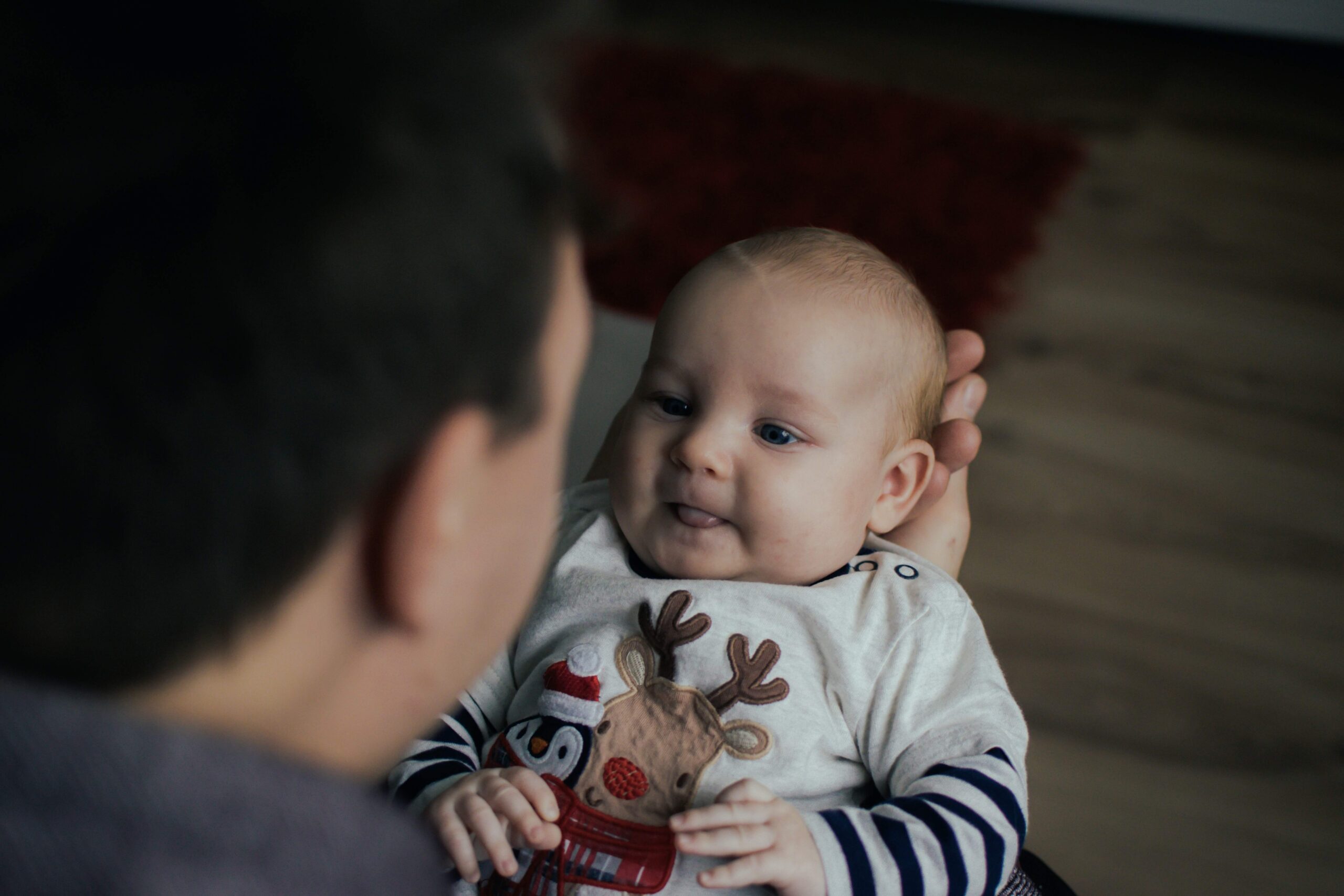
When babies are very tiny, they love looking at faces, especially eyes
Our eyes communicate our feelings – pleasure and excitement, pain and sadness, as well as love and joy.
When babies are very tiny, they love looking at faces, especially eyes. Feeding your baby is the perfect time to gaze into each other’s eyes.
As they get bigger, babies and young children often reach out to touch people’s eyes and chuckle when we look back into their eyes and smile.
They love playing Peep-o games, when people hide their eyes behind their hands, books or blankets and then reappear, sometimes with a different expression.
You can encourage your young child to make eye contact when you look into their eyes and…
- call or sing their name
- smile
- make gentle sounds or funny noises
- stick out your tongue
- stroke their face, tummy, feet or hands
- talk to them about what you are doing
- sing an action song or finger rhyme to them
Cuddles, contact and confidence
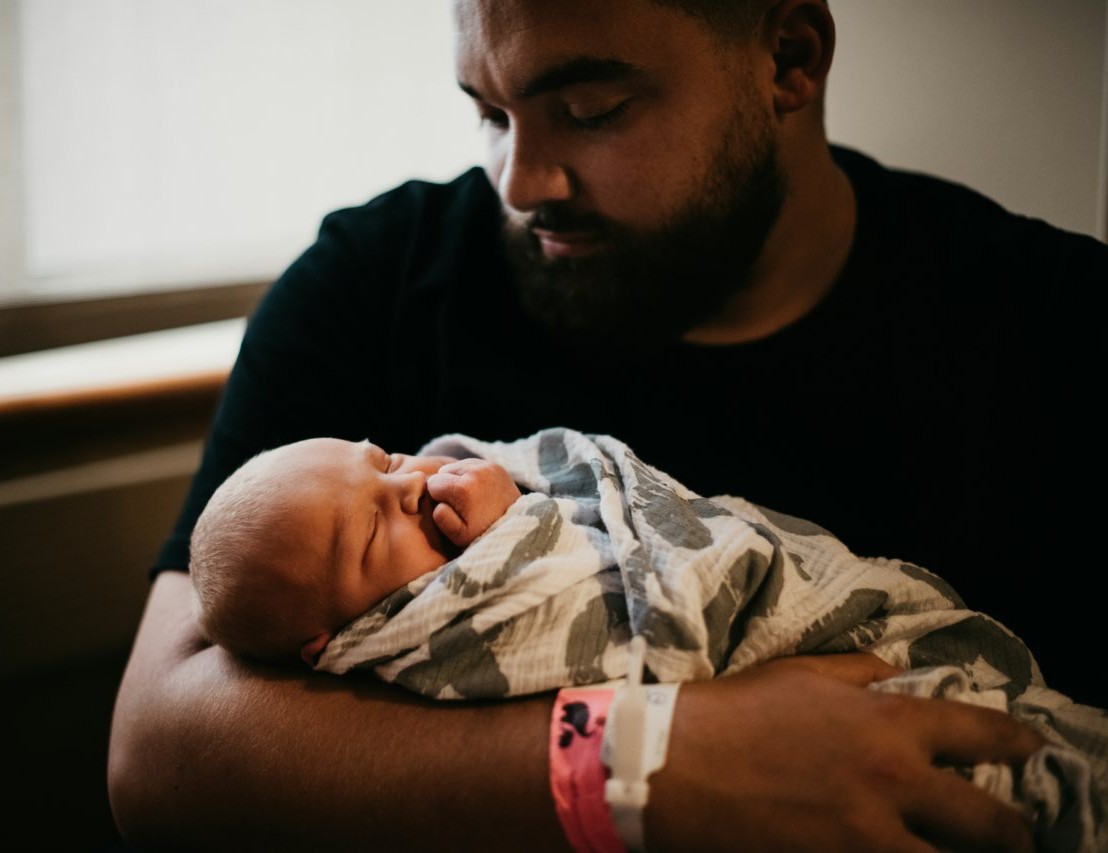
Cuddling and holding young children close, singing and gently patting or stroking them can reassure them and help them feel safe. These are familiar movements and sounds that babies are used to from when they were in the womb. They can help to soothe your baby (and you too!) and let them know that they are wanted and loved.
There is also evidence that very gentle massage or stroking can help to strengthen the bond between you, and that it is good for their health and well-being.
Responding to others
Babies are fascinated by people. They may watch and reach for a moving object, but they tend to respond to people differently – perhaps with smiles, lip movements, arm waving and leg kicking.
Babies and young children use actions they have copied from those closest to them, such as mouth-opening, tongue-poking, eyebrow movements, sad and angry expressions, opening and closing of hands, etc. These early responses are the foundation for communicating throughout life – look out for them being used by people around you!
By five or six weeks, babies can take the lead in conversations without words. As they are able to focus on faces more clearly, they may start to smile. These early exchanges are a very important part of a baby’s development.
Eye-contact, smiles and sounds are among the first things that you can share with your baby
Watching babies and young children
Babies are very good at letting us know how they feel, through the way that they respond to situations and to other people.
By watching your baby or young child very closely, you can tune in to the tiny gestures with which they ‘talk’. For example:
- they might wave their arms or kick their legs to show they are happy or excited
- a frown might tell you they are feeling insecure when someone unfamiliar makes eye contact with them
It can be very helpful to notice what triggers a baby’s or young child’s crying, anxiety, smiles or giggles. It isn’t always easy – but the more we do it, the more we can learn to recognise what they are trying to tell us.
Watching babies and young children very carefully can help us to understand their feelings and reactions
Peep programmes and resources
The information on this page is from our Peep Learning Together Programme. In Peep sessions, families share song and storytime, play activities and conversations focusing on supporting babies’ and children’s development through play and everyday life.
Peep builds on the things you’re already doing with your child, making the most of everyday moments to learn together, have fun and strengthen relationships.
If you’re a parent or carer:
If you work with families:
This resource is one of a selection from the Peep Learning Together Programme shared in support of the Learners from Birth initiative.
Ages and stages: We recognise that children are all different, and developmental needs and interests don’t always align with a child’s age. Any ages mentioned are a general guide – the resources are for using flexibly to meet individual children’s needs and interests.