
ORIM: Opportunities, Recognition, Interaction and Modelling
The ORIM framework
ORIM stands for Opportunities, Recognition, Interaction, and Modelling – four key ways that parents and carers support their children’s learning and development.
This ORIM framework was developed by Professors Peter Hannon and Cathy Nutbrown at the University of Sheffield. During their work with families, they noticed that ALL parents and carers can – and do – provide their children with opportunities, recognition, interaction and a model. However, when we, as practitioners or parents, understand how these things help children’s learning, we’re likely to do so more consciously and more frequently – which helps strengthen the home learning environment.
ORIM is threaded through Peep programmes especially Learning Together, providing a simple way for parents and carers to notice and make the most of their day-to-day interactions with their children.
Opportunities:
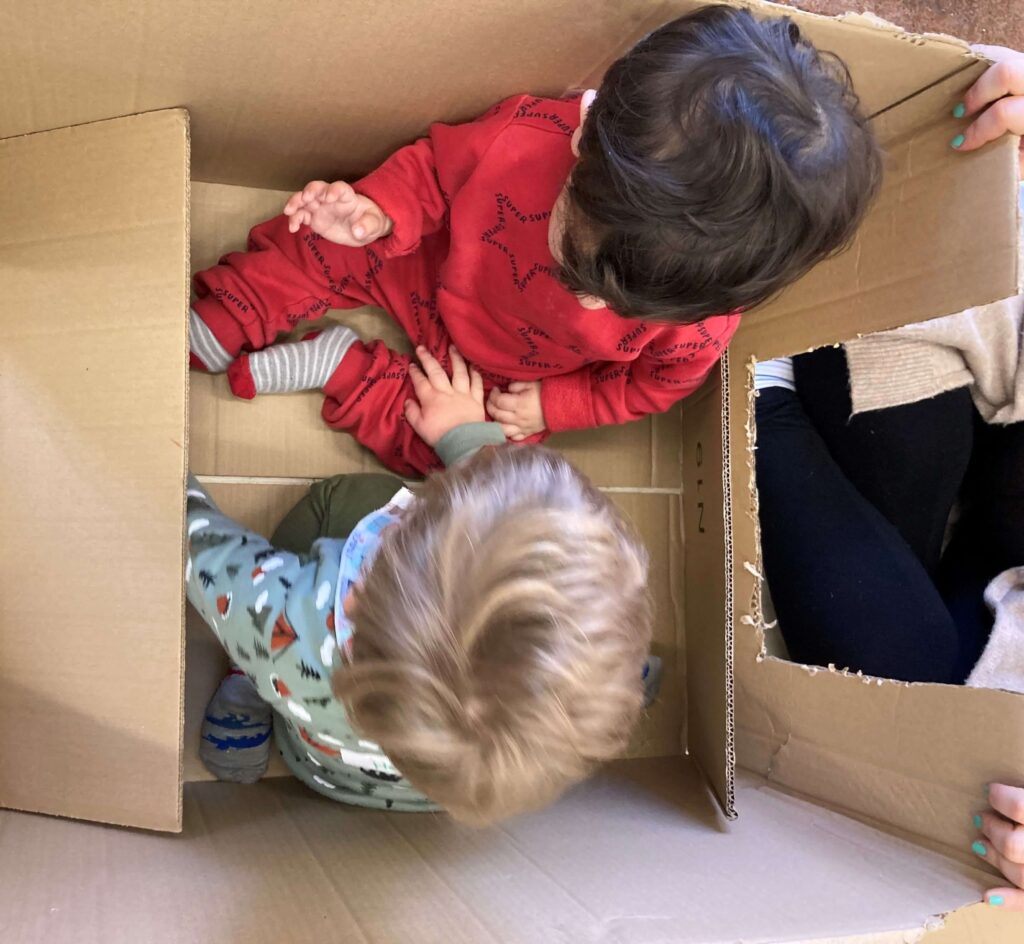
Parents and carers turn everyday life into learning opportunities through the ways that they interact with their children: listening, talking, singing, playing indoors and out and giving them time and attention encourage children’s curiosity and growth. Parents also give children opportunities to explore and experiment with everyday objects, such as mark-making with a paintbrush and water or chalk on paving stones, or using an empty box to make a toy farm, boat or space rocket.
Recognition:
Children thrive when their efforts and achievements are recognised. Whether it’s a smile, a quiet word, or a high-five, these small moments boost children’s sense of self-worth and belief in themselves as learners.
Recognition can also involve celebrating progress that’s unique to each child, like learning to balance on a log or joining in with a familiar song. Simple gestures, like putting their artwork on the fridge or making up a story with them as a character, show children that they are valued for who they are.
Interaction:
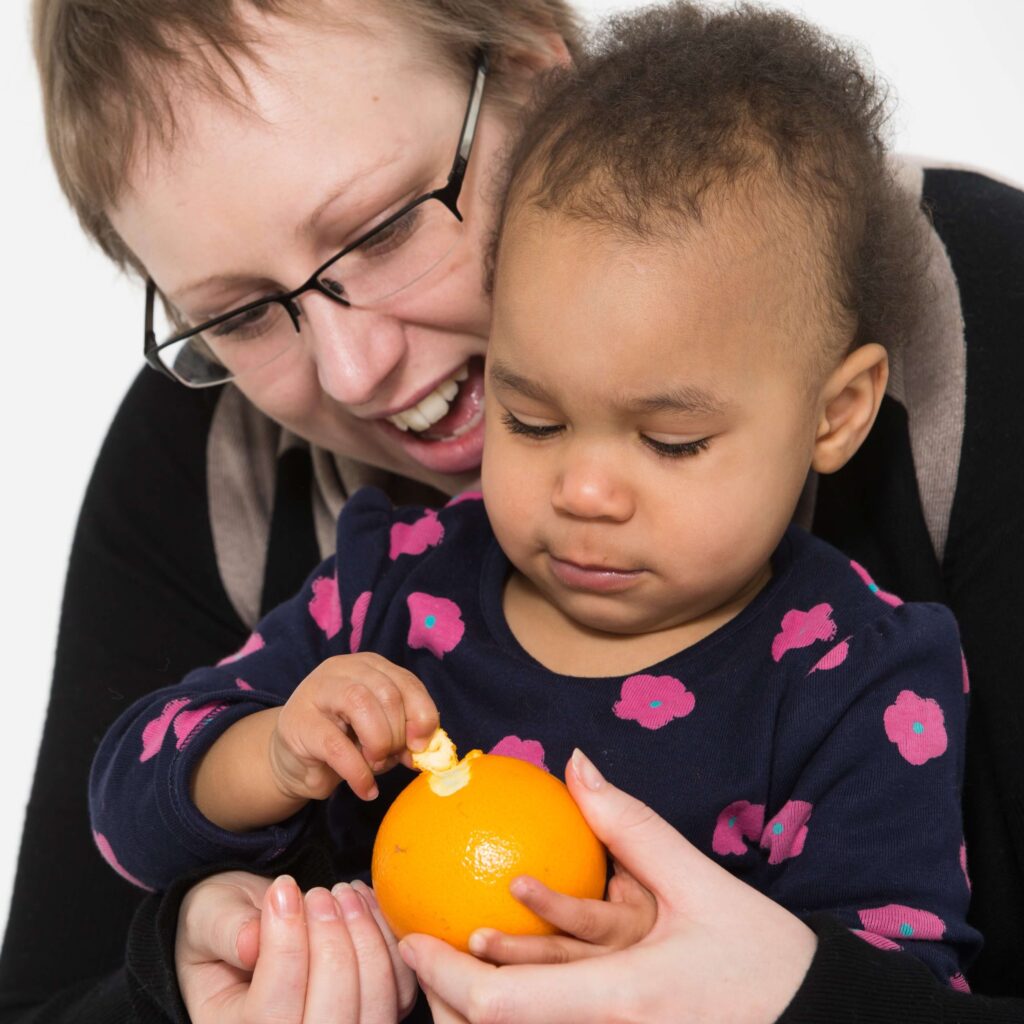
Interaction is at the heart of children’s development. Parents and carers support their children’s learning by interacting with them in many ways, such as:
- listening and talking with their child about what they are doing or how they are feeling
- involving them in everyday tasks, like cooking or tidying up
- explaining or demonstrating how to do something
- offering reassurance or encouragement as a baby explores
- helping a toddler to manage their frustration
- watching something together on TV or online and chatting about what they are seeing.
Modelling:
Children learn by observing the people they love and spend time with. Parents and carers are their most powerful role models; through them, babies and young children absorb behaviours, attitudes towards learning, and how to interact with others. By modelling everyday tasks like writing a shopping list or counting how many tins of beans they need at the shop, parents show children how literacy and maths are part of daily life.
How ORIM helps families
The more that parents and carers know about how children learn and develop, the easier it becomes to:
- understand how to make everyday events into learning opportunities
- recognise what counts as progress for your own child, and understand how to scaffold their learning (support them with new things, while they learn to do it themselves)
- recognise and value all the little developmental steps on the way to the ‘big’ goals of learning such as talking, reading and writing
- recognise and celebrate your child just for being themselves
- understand more about different ways of interacting with your child
- appreciate your role as a model for your child(ren).
‘An introduction to ORIM’ leaflet
> Download our short topic handout: An Introduction to ORIM or our Urdu version: An Introduction to ORIM in Urdu (for screen) or An Introduction to ORIM in Punjabi (for screen).